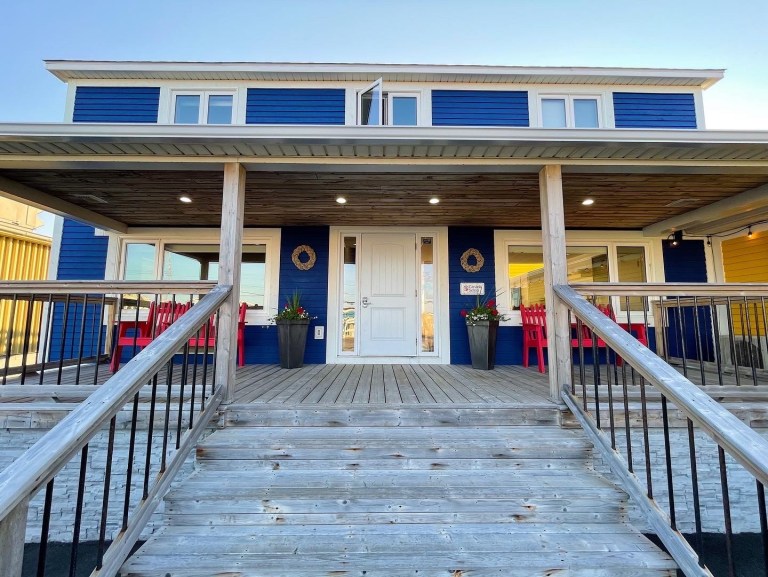
The Cape Chignecto Trail is one of the best backpacking routes in Nova Scotia. Through the forest and alongside the beautiful Bay of Fundy, hikers follow the well-marked trail from one campsite to the next. If you’re looking for challenging coastal terrain, coupled with spectacular ocean views, consider the Cape Chignecto Coastal Trail. You won’t regret it!

Last Updated: January 11, 2026
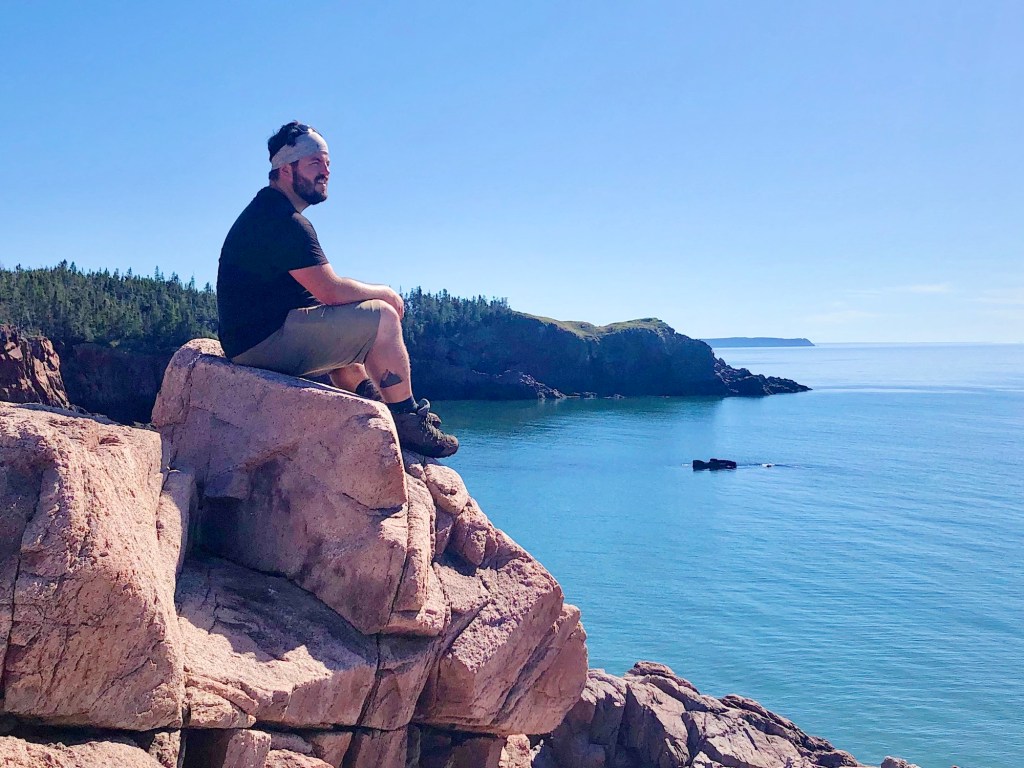
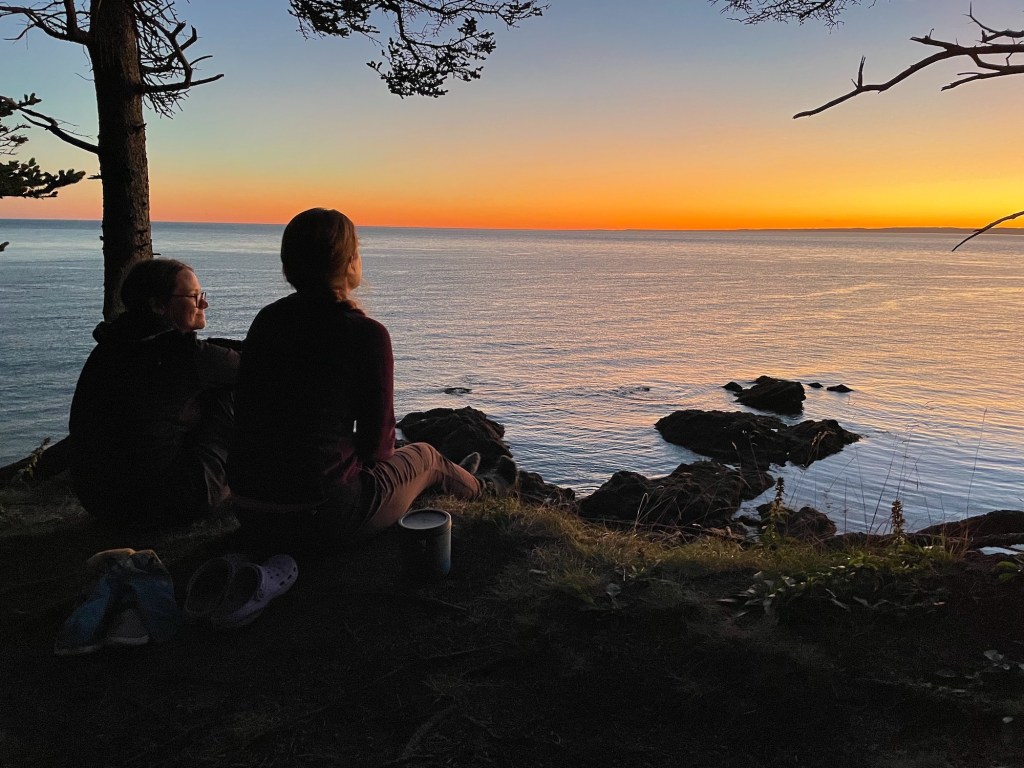
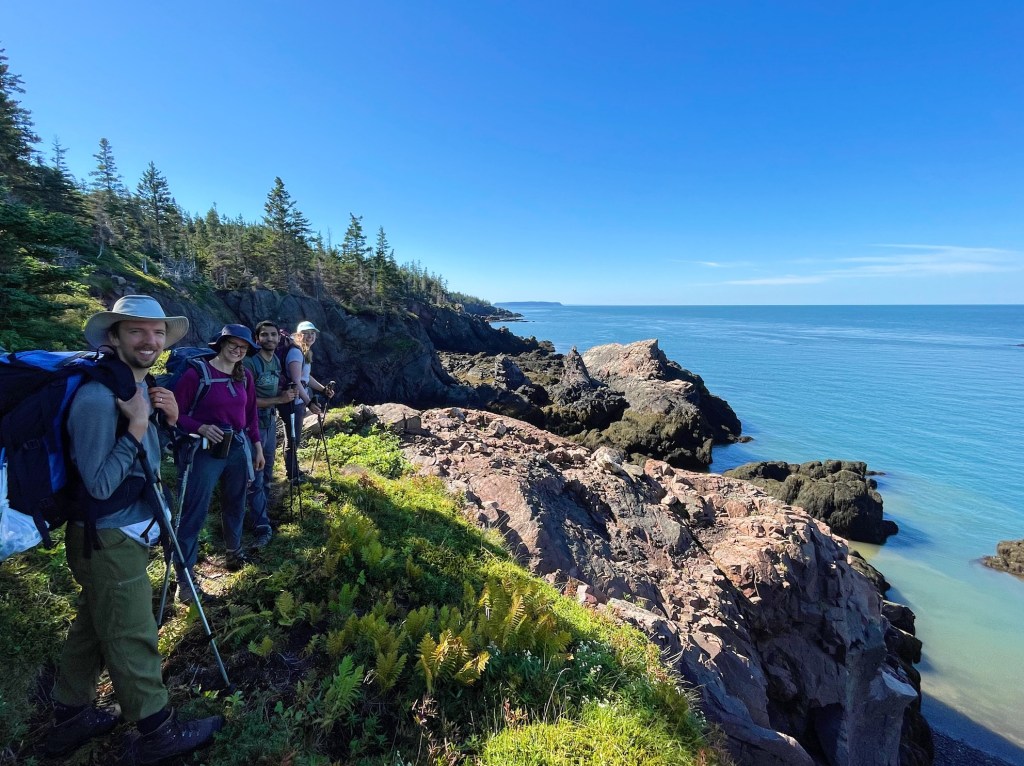
The rugged beauty of Cape Chignecto came alive on Labour Day weekend. I was thrilled to be back in my home province with four friends — Carol, Hossein, Jonas, and Lauren — to finally hike the Cape Chignecto Trail. This long-anticipated trip offered challenging terrain combined with spectacular views of the Bay of Fundy coastline. Hard to imagine a better place for one last summer hoorah!
This post includes affiliate links. If you make a purchase through one of the links, I may receive a percentage of the sale at no extra cost to you. Thanks for your support!
Cape Chignecto Trail Map
Nova Scotia Parks provides information maps at the Visitor Centre (these are not topographic maps). You can pick one up on arrival or download it in advance for planning.
About Cape Chignecto Trail
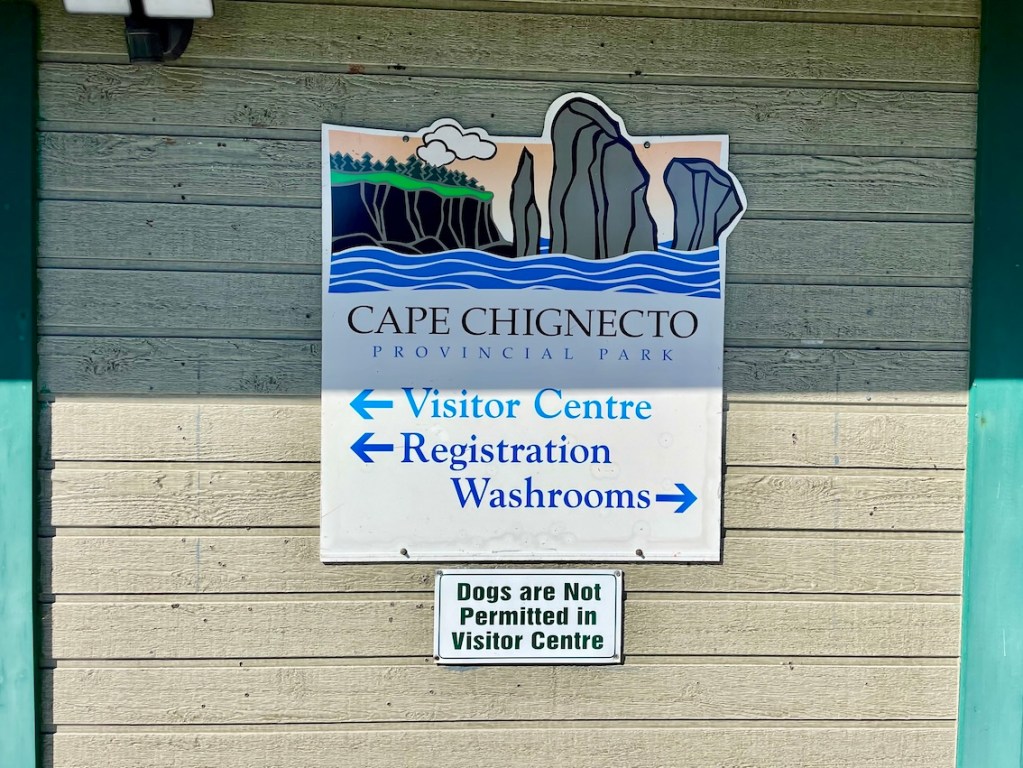
Location: Cape Chignecto Provincial Park, Nova Scotia
Distance: 52 km loop
Difficulty: Difficult
Elevation: Varies. 200 m elevation gain (Refugee Cove)
Time: 4 days / 3 nights
Dog-friendly: Dogs are permitted but must be kept on a leash.
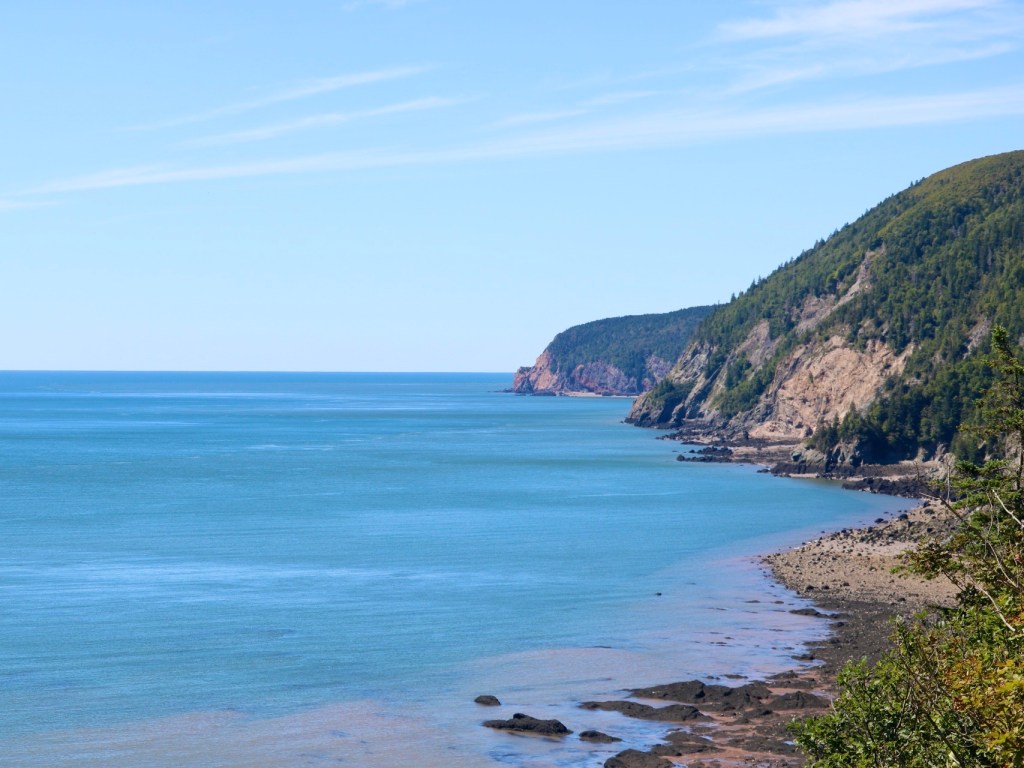
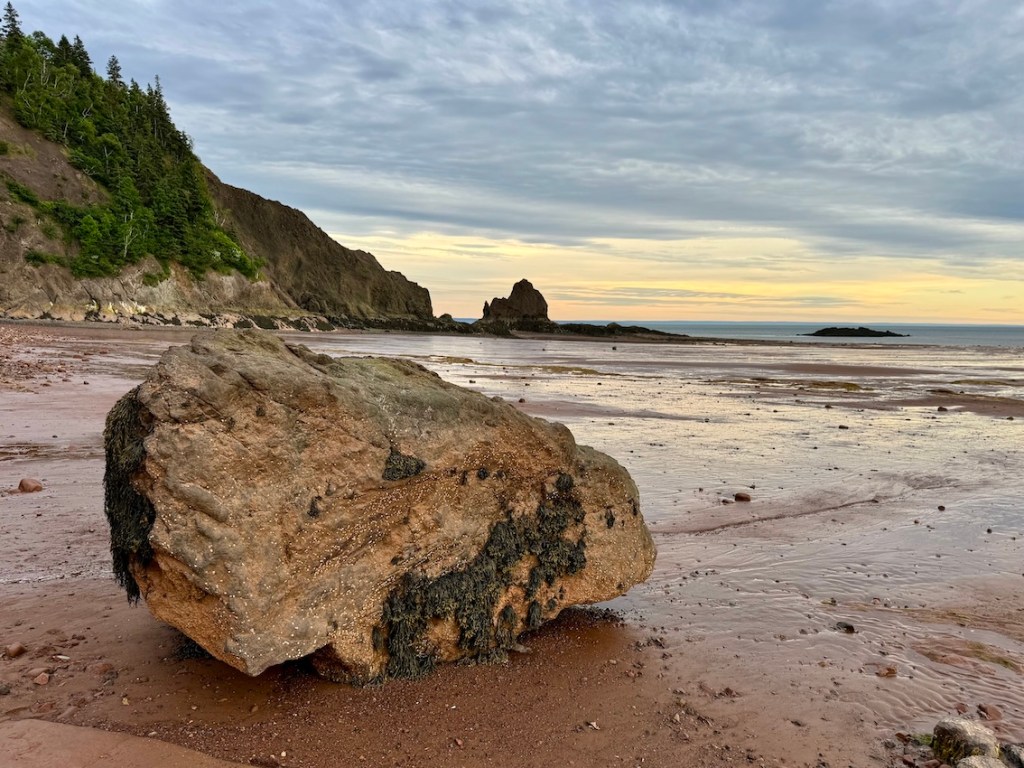
Features: The Cape Chignecto Trail boasts stunning sea cliffs that tower over the Bay of Fundy, offering awe-inspiring views of the rugged coastline. Hikers will find challenging terrain weaving through forests, along steep cliffs, and across pristine beaches. Cape Chignecto Trail is a unique opportunity to sink into the natural beauty of Nova Scotia.
Update: Cape Chignecto Provincial Park campsite reservations will open on April 8, 2026 at 9:00am Atlantic.
Cape Chignecto Coastal Trail FAQs

Q. Where is the Cape Chignecto Coastal Trail?
A. Cape Chignecto Provincial Park is located in Cumberland County, Nova Scotia. About an hour’s drive from the Truro, this provincial park is on the western tip of the province and a stone’s throw from the town of Advocate Harbour. If you’re travelling from Halifax, give yourself about 3 to 3.5 hours to reach the Cape Chignecto Trail.
Q. How long is the Cape Chignecto Trail?
A. Cape Chignecto Coastal Loop is between 48 to 52 km, depending on whether hikers choose the beach route. Hikers typically complete this route over several days.
Q. How difficult or advanced is the Cape Chignecto Coastal Loop?
A. Cape Chignecto Trail is considered difficult, with some technical challenges like slippery rocks and muddy trails in inclement weather. You’ll also find several steep sections of trail, including the 200-metre, 45-degree incline next to Refugee Cove.
Q. I have never completed a multi-day hike. Should I consider the Cape Chignecto Trail?
A. Always a tough question with many factors to consider. Generally, I wouldn’t recommend the Cape Chignecto Trail as a first backpacking trip. Backpacking requires a strong level of fitness and wilderness camping knowledge and skills.
Q. How many days do I need for the Cape Chignecto Coastal Loop?
A. Most hikers take between 3 to 5 days to complete the Cape Chignecto Coastal Trail. Our group hiked the route in 4 days / 3 nights. From my perspective, this was ample time to enjoy the scenery, explore the challenging terrain, and camp at designated sites along the way.
Q. What can I expect when hiking the Cape Chignecto Trail?
A. You can expect to find rugged coastal terrain, spectacular vistas (if the fog holds off), lush forests and pristine beaches, and the chance to witness the powerful tides of the Bay of Fundy. Be prepared for challenging trail sections and changing weather conditions — this is Nova Scotia, after all!
Q. Are there any entrance fees or permits required to hike the Cape Chignecto Trail?
A. Yes, backcountry hikers are required to reserve campsites prior to arrival, which includes reservation and campsite fees. Hikers must pick up a backcountry camping permit at the Visitor Centre before starting the trek.
Q. Are there any amenities or facilities along Cape Chignecto Trail?
A. Cape Chignecto Trail has designated backcountry campsites with pit toilets, but amenities are limited. Hikers must carry all necessary gear and supplies.
Q. Can I bring my dog on the Cape Chignecto Coastal Trail?
A. Dogs are welcome but must be kept on leash at all times. Before bringing your four-legged friend, consider whether (or not) they will enjoy the rough hiking terrain as much as you do.
How To Get To Cape Chignecto Provincial Park

Cape Chignecto Provincial Park can be reached from Halifax by taking Hwy 102 north for about 2 hours to Truro. From there, head onto Hwy 104 west towards Parrsboro/Amherst for about 22 km and then follow Hwy 2 (Glooscap Trail) through Parrsboro to Advocate Harbour. Cape Chignecto Provincial Park is only a stone’s throw from Advocate Harbour. Your total travel time will be between 3 to 3.5 hours.
Read next: Your Complete Guide to the Long Range Traverse in Newfoundland
Where To Say Near Cape Chignecto (Before & After Your Hike)
If you need a place to stay before hiking Cape Chignecto, the closest options are small communities like Advocate Harbour and Parrsboro, which offer a mix of B&Bs, cabins, and campgrounds nearby. For more accommodation options, along with better access to groceries and restaurants, Truro is about an hour’s drive away.
When To Hike Cape Chignecto Trail

Cape Chignecto Provincial Park operates from late spring through early fall, roughly from mid-May to early October. In the early season, you might experience more rainy weather on the Cape Chignecto Trail, though weather in Nova Scotia can be unpredictable. July and August offer longer days and warmer temperatures for hikers. All in all, Labour Day weekend seemed popular when booking, but we found fewer than anticipated hikers on the trail. I would definitely hike the Cape Chignecto Trail again in early September.

How Do You Reserve the Cape Chignecto Trail?

There are 47 backcountry campsites, plus 12 kayak sites, in Cape Chignecto Provincial Park. You can use the Nova Scotia Parks reservation system to reserve backcountry campgrounds in Cape Chignecto Provincial Park. Bookings for the Cape Chignecto Trail can either be made online or by calling 1-888-544-3434. For the reservation, hikers will need to select specific backcountry campsites and choose preferred dates. Book well in advance if you’re looking for peak dates. Cape Chignecto is a popular backcountry destination and fills up quickly!
Read next: Your Complete Guide to the West Coast Trail on Vancouver Island
How Much Does the Cape Chignecto Trail Cost?
As far as backcountry adventures go, Cape Chignecto is not the most expensive option. However, you’ll want to consider the costs and factor in travel expenses, meals, and any additional gear you might need.
| Expense | Cost (approx.) |
|---|---|
| Camping Fees (per person, per night) | $23.22 ($69.66 for 3 nights) |
| Cabin/Bunkhouse Fees (per night) | $59.40 (up to 8 people) |
| Reservation Fees | $7.83 per booking |
| Transportation | Varies (based on location) |
| Food and Supplies | Varies (depending on personal preferences and trip duration) |

Cape Chignecto Cabins

Cape Chignecto Provincial Park has four reservable backcountry cabins. Here are the descriptions and distances if you’re hiking counter-clockwise on the Cape Chignecto Loop:
| Kilometres | Location | Description |
|---|---|---|
| 14 | Eatonville Bunkhouse | Plywood bunk beds (8 single bunks), outhouse, water supply, wood stove, and firewood provided. No electricity, mattresses, or bedding provided. |
| 22.5 | Carey Brook Cabin | Plywood bunk beds (8 single bunks), outhouse, water supply, wood stove, and firewood provided. No electricity, mattresses, or bedding provided. |
| 30 | Big Bald Cabin | Plywood bunk beds (8 single bunks), outhouse, water supply, wood stove, and firewood provided. No electricity, mattresses, or bedding provided. |
| 43.5 | Arch Gulch Cabin | Plywood bunk beds (8 single bunks), outhouse, water supply, wood stove, and firewood provided. No electricity, mattresses, or bedding provided. |
Here’s a 5-day cabin-to-cabin itinerary (counter-clockwise):
Day 1 — Visitor Centre / Red Rocks to Eatonville Bunkhouse (14 KM)
Day 2 — Eatonville Bunkhouse to Carey Brook Cabin (8.5 KM)
Day 3 — Carey Brook Cabin to Big Bald Cabin (7.5 KM)
Day 4 — Big Bald Cabin to Arch Gulch Cabin (13.5 KM)
Day 5 — Arch Gulch Cabin to Red Rocks (8.5 KM)
When I hiked the Cape Chignecto Trail, we didn’t have a chance to stay in a cabin. If I return for another go, I would at least try to stay in Big Bald Cabin with that great view. Or maybe I’ll try this relaxed cabin-to-cabin itinerary. Sounds luxurious to me!
Pssssst. Want to hike with a lighter pack? Don’t want to set up your tent in the rain? You can hike the whole Cape Chignecto Coastal Trail from cabin to cabin! Reserve your backcountry cabins in advance.

4-Day Cape Chignecto Trail Itinerary

4-Day Itinerary (Our Route)
Day 1 – Red Rocks to Seal Cove Campground (via Eatonville) (20 KM)
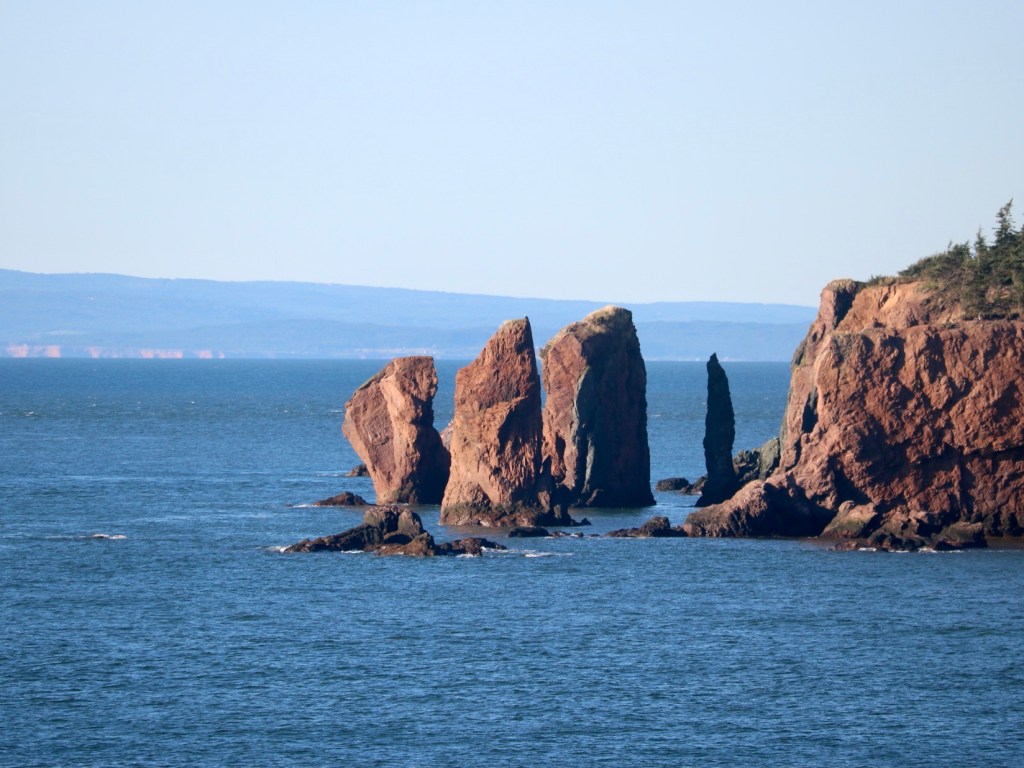
Depending on the tide, you can walk the first 1.5 km of the Cape Chignecto Trail along the beach. Find stairs by the yellow sign (don’t go any further along the beach). Hike through the forest until reaching the fork, then keep right to head toward Eatonville. We hiked the Cape Chignecto Trail in a counterclockwise direction (get the forest out of the way!). The 16-km forest hike is up and down, with little creek crossings and muddy sections (waterproof boots are useful!). Overall, the hiking isn’t too difficult. On a hot day, you’ll be thankful for the shade of the forest. Plenty of freshwater sources along the way. I was really glad to see the Three Sisters rock formation after many kilometres in the woods. Give yourself 6 to 7 hours for this section.
Day 2 – Seal Cove to Big Bald Rock Campground (9 KM)
The second day was full of spectacular views from lookoffs along the trail. With bright sun and blue sky above, we sauntered along atop the high cliffs with the Bay of Fundy down below. As with most of the Cape Chignecto Trail, you won’t hike down on the beach. Big Bald Rock Campground felt smaller and much wetter than Seal Cove. From the campsite, you can continue down the trail to find a waterfall and beach access. Big Bald Cabin isn’t too far away. Our group opted to wash in the stream and hunker down with supper and card games. Give yourself 4.5 to 5.5 hours for this section.
Day 3 – Big Bald Rock to Refugee Cove Campground (9 KM)
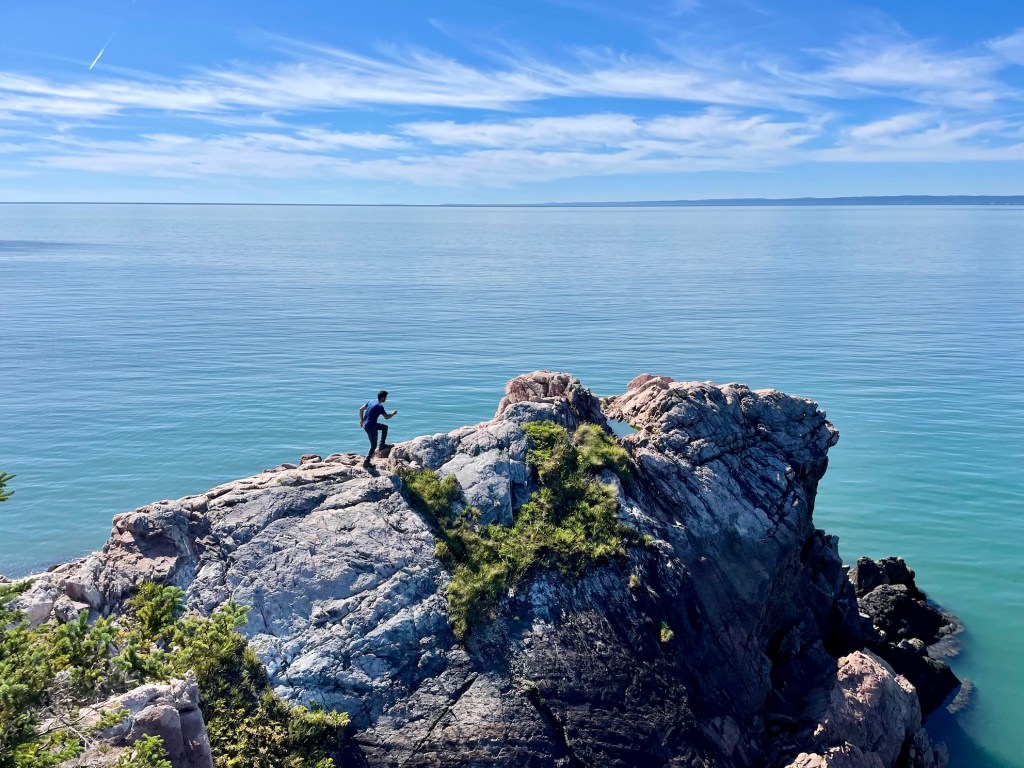
Depending on the time of year, you might find muddy trails along the way. In early September, there were muddy sections (but I suspect would be much worse in June). This was my favourite hiking day with even more impressive vistas — including the Isle of Haute. We explored a cool rock outcrop before reaching Little Bald Rock, about 2.2 km from Big Bald (less impressed with these uneven campsites). We stopped for lunch at the Cape Chignecto Lookoff. Refugee Cove Campground was also my favourite, with several nice campsites, outhouse toilet, nice hammock trees, and a pristine beach. We took a cold dunk after a hot day! Give yourself 5 to 6 hours for this section.
Day 4 – Refugee Cove to Red Rocks (Visitor Centre) (13 KM)
Hiking from Refugee Cove back to Red Rocks was definitely the most physically demanding. Right away, you’ll start hiking at a 45-degree angle until gaining about 200 metres in elevation. No switchbacks. We took this section fairly slow, with large packs full of gear on our backs (but with much less food on our last day!). After an hour and a half, we reached the Arch Gulch Cabin and were at the trail fork by noon. We decided to drop our packs and eat some lunch. Then back on the trail for the hike to Red Rocks. With the tide nice and low, we walked the beach for the final stretch. Give yourself 4 to 5 hours for this section.
As you can see, I hiked the full 52-km loop in the counterclockwise direction. Apparently, many hikers choose to skip the 16-km forest section between Red Rocks and Seal Cove. If you don’t have a second vehicle to shuttle, why not go for the full Cape Chignecto experience? It’s a beautiful place to be.
3-Day Itinerary (For Strong Hikers)
Day 1 – Red Rocks to Seal Cove (via Eatonville) (20 KM)
Day 2 – Seal Cove to Refugee Cove (18 KM)
Day 3 – Refugee Cove to Red Rocks (13 KM)
Looking for a more challenging approach to Cape Chignecto Trail? Or maybe you don’t have much time off? You could opt for a 3-day hiking itinerary. To be honest, I wouldn’t have been too disappointed to skip Big Bald Rock Campground (my least favourite).
Read next: Your Complete Guide to Canoeing in Kejimkujik National Park

Cape Chignecto Trail Distances

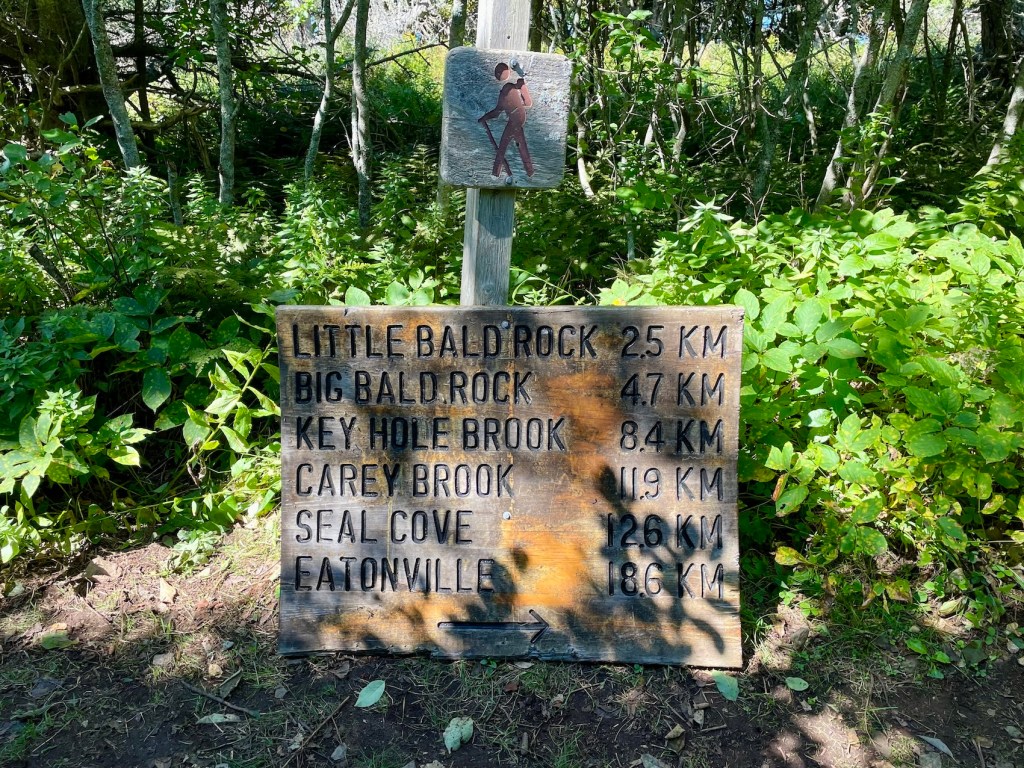
The Cape Chignecto Coastal Trail is a 52-kilometre loop. Here are the distances from Red Rocks (Visitor Centre) if you’re hiking in the counter-clockwise direction:
| KM | Location | Description |
|---|---|---|
| 0 | Red Rocks | Visitor Centre, parking area, flush toilets |
| 14 | Eatonville Bunkhouse | Plywood bunk beds (8 single bunks), outhouse, water supply, wood stove, and firewood provided. No electricity, mattresses, or bedding provided. |
| 16 | Eatonville Campground | 6 campsites, 2 outhouses, freshwater source, near Eatonville day-use area. |
| 21 | Seal Cove Campground | 7 campsites, 1 outhouse, freshwater source, beach access. Additional 6 kayak campsites on beach. |
| 22.5 | Carey Brook Cabin | Plywood bunk beds (4 double bunks), outhouse, water supply, wood stove, and firewood provided. No electricity, mattresses, or bedding provided. |
| 26 | Keyhole Brook Campground | 5 campsites, 1 outhouse, freshwater source, located by a brook. |
| 30 | Big Bald Rock Campground | 5 campsites, 1 outhouse, freshwater source, beach access, close to Big Bald Cabin. |
| 30 | Big Bald Cabin | Plywood bunk beds (4 double bunks), outhouse, water supply, wood stove, and firewood provided. No electricity, mattresses, or bedding provided. |
| 32 | Little Bald Rock Campground | 4 campsites, 1 outhouse, freshwater source. |
| 34 | Cape Chignecto Lookoff | Coastal viewpoint. Nice lunch spot. |
| 39 | Refugee Cove Campround | 11 campsites, 2 outhouses, freshwater source, beach access. Additional 6 kayak campsites on beach. |
| 43.5 | Arch Gulch Cabin | Plywood bunk beds (4 double bunks), outhouse, water supply, wood stove, and firewood provided. No electricity, mattresses, or bedding provided. |
| 45 | Mill Brook Campground | 9 campsites, 2 outhouses, freshwater source, located by a brook. |
| 52 | Red Rocks | Visitor Centre, parking area, flush toilets |

Safety on the Cape Chignecto Trail
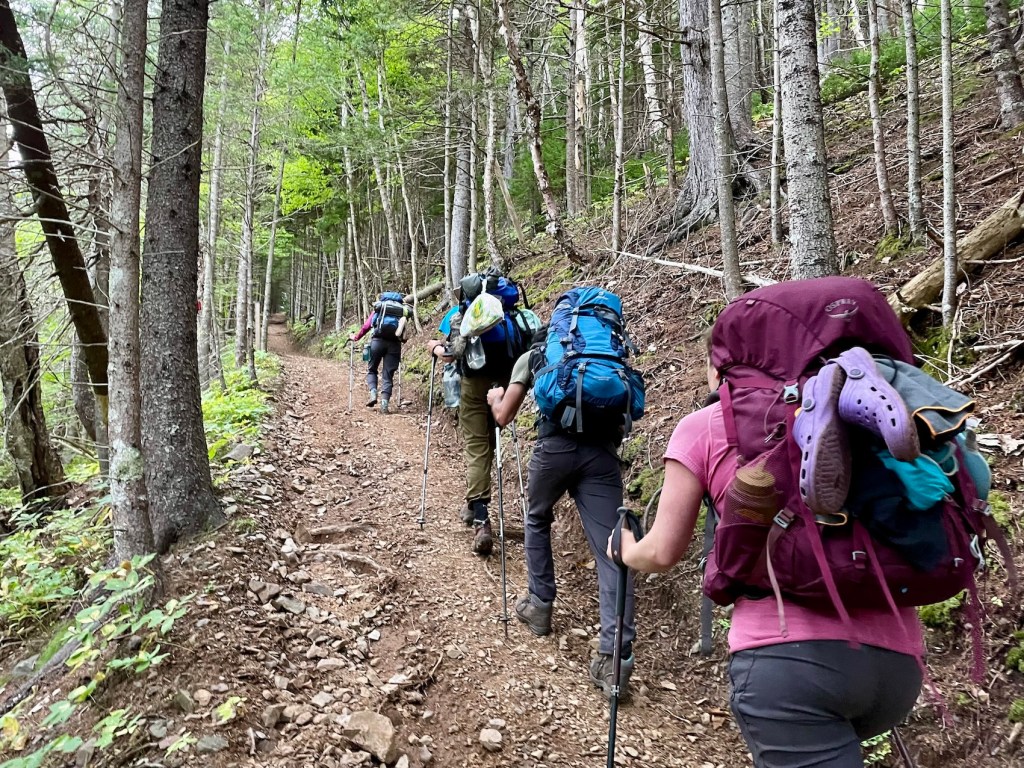
As for any backcountry adventure, it’s important to consider safety before embarking on the Cape Chignecto Trail. First, take time to familiarize yourself with the trail map and conditions, and check the weather forecast beforehand. You’re about to find out that this trail can be physically demanding, and even more challenging in muddy or slippery conditions. I always suggest carrying hiking poles (even if you don’t use them) and wearing sturdy hiking boots with decent tread. While we’re on the subject of gear, don’t forget to pack a waterproof rain jacket (this is Nova Scotia, after all!).
The Cape Chignecto Trail is quite popular. While the trail is marked, bringing navigation tools like a map and compass is important in case you get turned around. Always exercise caution on the cliff’s edge as erosion can create unstable ground. You’ll most likely cross paths with other hikers, but you should still leave your trip plan with someone you trust, including what to do in case of an emergency. Need help creating your trip plan? Check out this AdventureSmart resource.
I highly suggest completing a Wilderness First Aid course before heading into the backcountry. Each group should have a first aid kit. Cell service is unreliable and often nonexistent on the Cape Chignecto Trail, so consider carrying a satellite communications device (I used Zoleo).
Read next: Your Complete Guide to Fishing Cove Trail in Cape Breton

Meal Preparation

When you’re hiking the backcountry, every ounce in your pack counts. Food and water are heavy items; smart meal planning is essential. For Cape Chignecto (and other backpack trips), I look for lightweight, high-calorie, and easy-to-prepare options. I like the convenience of freeze-dried meals. What’s better than a savoury chili or lasagna after a long day hike? Just add hot water… and good to go! For breakfast, I’m a fan of instant oatmeal or instant mashed potatoes with bacon and cheese (also works for dinner).
If you’re new to backcountry meal planning, the trick is to bring enough food to reenergize after hiking — without overloading your pack. I still can’t believe how much I carried on the West Coast Trail… (learned a lot since then!). I tend to bring an extra meal, just in case. Pack some snacks like trail mix, high-energy bars, or chocolate for energy boosts, too.
Read next: Balancing Rock Trail: Natural Attraction in Nova Scotia
Toilets

On the Cape Chignecto Trail, you’ll find outhouses at each designated campground. However, there will be stretches along the way where no outhouses are available. In this situation, follow Leave No Trace principles and “do your business” at least 200 feet from water sources, trails, and campsites. Dig a small cathole about 6 to 8 inches deep for number two, and cover it completely when you’re done. Pack out used toilet paper in a sealed bag and dispose in the next outhouse.
Wildlife on Cape Chignecto Trail
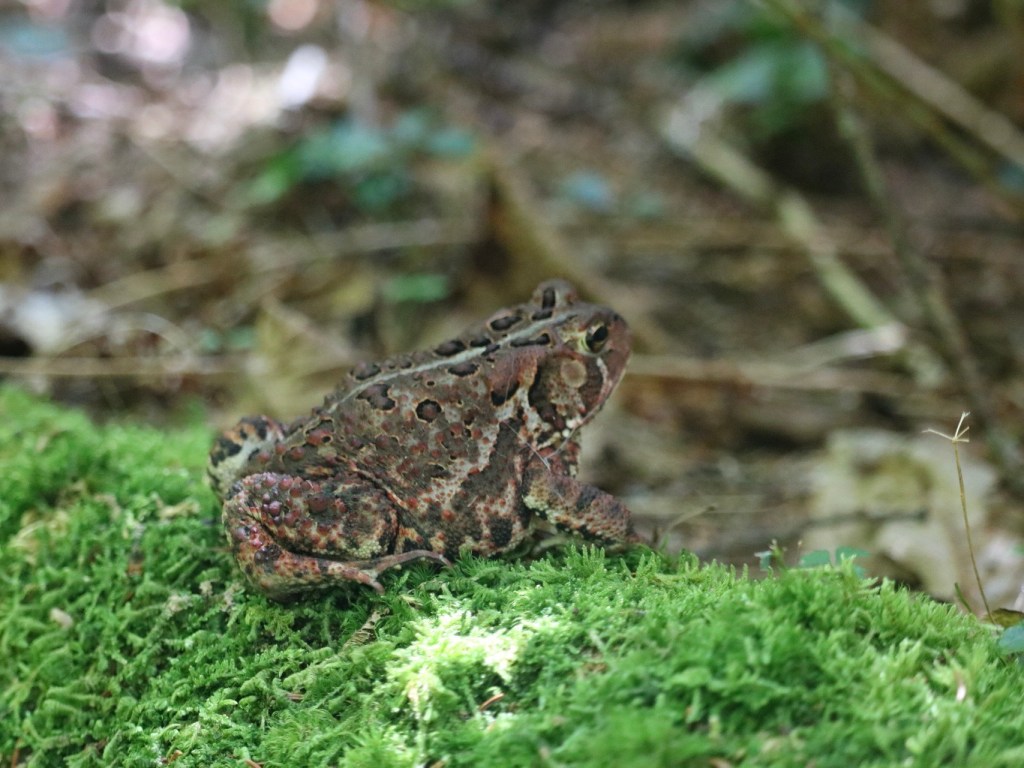
Cape Chignecto is a great place to experience the diverse wildlife of Nova Scotia’s coastline. You could encounter a variety of bird species, moose, bobcat, and even the elusive black bear (though your chances of seeing one are low). It’s also possible to spot porpoises and other marine creatures. Even so, I was surprised by very few wildlife sightings from the trail (probably due to our group size). While wildlife sightings can be thrilling, it’s important to remember to observe from a safe distance. Never feed or attempt to approach wildlife. For your safety and the animal’s well-being, always store food securely and never keep food in your tent.
Note: No food storage lockers in the backcountry campgrounds. Be prepared to hang your food in a tree or use a bear-resistant (and squirrel resistant!) canister.

Cape Chignecto Trail Packing List

Here is my packing list:
- Osprey Atmos 50
- Rain pack cover
- Tent
- MEC Talon sleeping bag
- Sleeping pad
- Sleeping bag liner
- Siltarp
- Hammock
- Camp shoes
- Scarpa hiking boots
- Arc’teryx Beta LT
- Rain pants
- Jetboil stove
- Stove fuel
- Campsuds
- Osprey 2-litre water reservoir
- Nalgene water bottle
- Hiking poles
- Lighter / matches
- GSI cup
- Spoon
- Sunscreen
- Sunglasses
- Bug spray
- Toilet paper
- Towel
- Toothbrush / toothpaste
- MSR TrailShot filter
- Headlamp
- Paracord
- Buffs
- Mora knife
- First aid kit
- Leukotape
- 2 merino t-shirts
- 1 long sleeve (like this Patagonia Capilene)
- 1 pair of pants
- 2 pairs of shorts (1 for hiking; 1 for camp)
- 3 merino underwear (1 for hiking; 1 for camp; 1 extra)
- 2-3 merino socks (1 for hiking; 1 for camp; 1 extra)
- Down jacket (Patagonia down)
- Warm hat / gloves
- Map / compass
- Satellite comms device (Zoleo)
- Powerbank / cables
- Camera
- Food (in dry bag or BearVault canister)
Cape Chignecto Provincial Park Rules

All backcountry campers in Cape Chignecto Provincial Park must follow these rules:
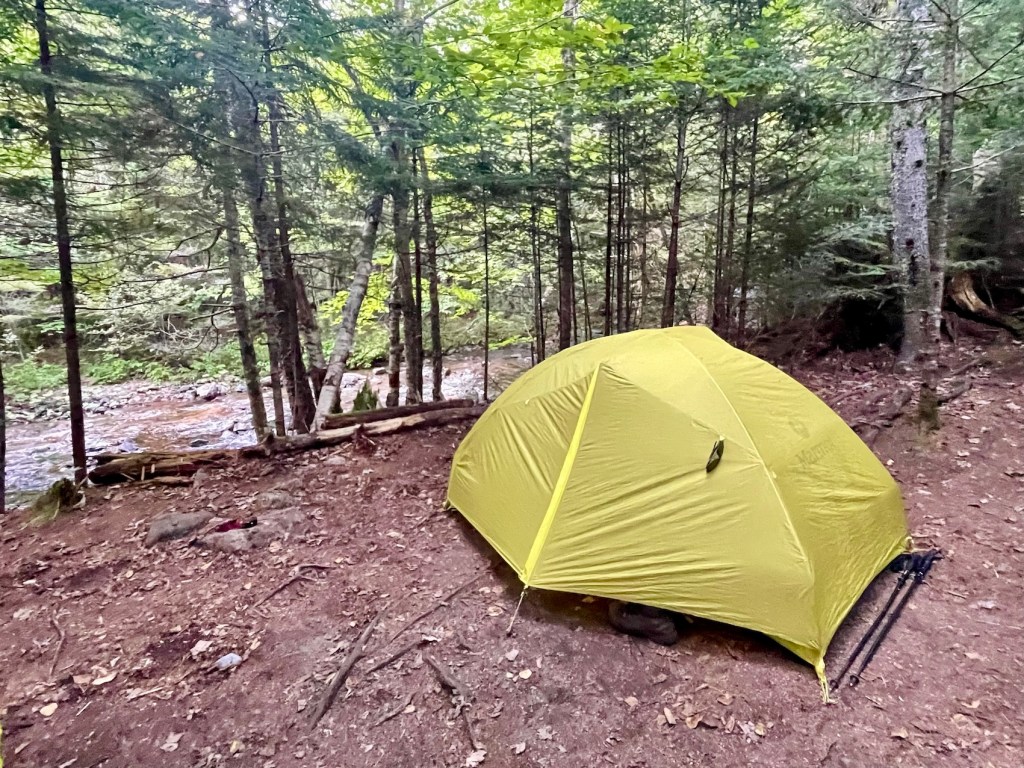
Registration: Register at the Visitor Centre before starting your backcountry trip. A camping permit is required and you must camp in designated sites (one tent per tent pad).
Reservations: Campers must reserve individual campsites in Cape Chignecto Provincial Park. There are no first come, first served sites.
Hammock Use: Cape Chignecto campsites were not designed for hammocks and campers are not permitted to alter or damage the trees.
Fires: No campfires on the Cape Chignecto Trail. Open fires are prohibited at backcountry campsites (including kayak sites on the beach). Camp stoves are allowed.
Toilets: Outhouses are available at the designated campgrounds. In areas without an outhouse, bury waste at least 100 metres away from water sources, trails, and campgrounds.
Water: Do not bathe or wash dishes in freshwater sources.
Pets: Dogs are welcome but must be kept on a six-foot leash at all times.
Garbage: If you pack it in, you have to pack it out. Pack out all garbage and leftover food from backcountry sites.
Leave No Trace: Defacing or removing natural features like plants and rocks, or damaging signs and structures is not permitted.
Hunting and Fishing: Hunting, trapping, and firearms are prohibited. Fishing is permitted, subject to regulations provided with the purchase of a Nova Scotia sport fishing licence.
Read next: Cape Split Trail: One of the Best Hikes in Nova Scotia

Cape Chignecto Trail Video
Have you hiked the Cape Chignecto Trail? Are you planning an upcoming trip? Anything missing from this guide? Leave a comment below!
Save this for later? Hover over the image to add to Pinterest 👇

Thomas Coldwell has always been fond of the outdoors. He loves hiking, paddling, and camping, and thoroughly enjoys creating outdoor adventure resources for people like you. Originally from Nova Scotia, Thomas has lived in four Canadian provinces (NS, NB, ON, AB) and has travelled in 20 countries and counting.