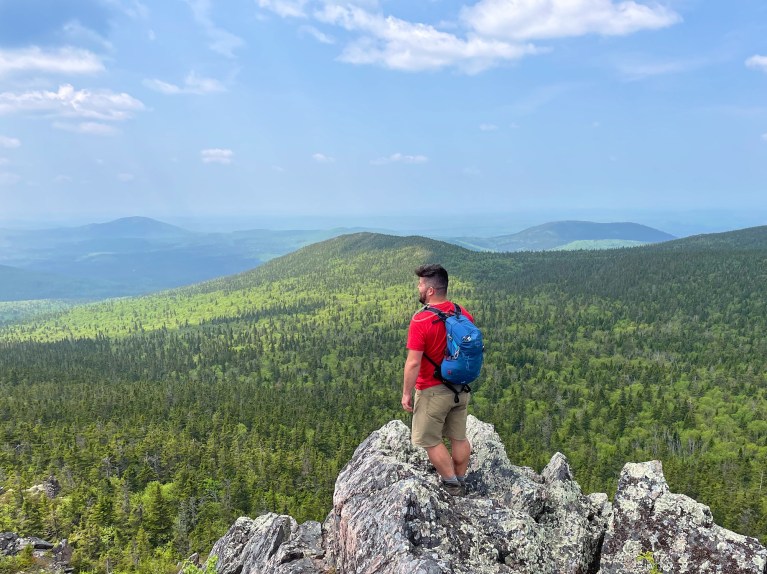
The Glacier Lake hike was my first backpacking trip in Banff National Park, and one of my first multi-day hikes ever. The approach to Glacier Lake is a manageable, rewarding trek, and the quiet lakeside campground feels like pure backcountry bliss. In the early season, there’s a good chance you’ll have the area almost entirely to yourself. It’s an ideal trip for beginner backpackers or anyone looking for scenic camping in the Rocky Mountains. I’d go back in a heartbeat.

Last Updated: January 9, 2026
Backcountry camping is one of the best ways to spend time in Canada’s wilderness. In May 2019, my friend Kevin and I ventured into Banff National Park for a weekend adventure at Glacier Lake. While I grew up with multi-day canoe trips, I had limited exposure to backpacking or multi-day hiking. For someone like me, the Glacier Lake hike was the perfect way to ease into something new — with amazing views to boot!
This post includes affiliate links. If you make a purchase through one of the links, I may receive a percentage of the sale at no extra cost to you.
Glacier Lake Trail Map
About the Glacier Lake Hike
Location: Banff National Park, Alberta
Distance: 18 km out and back
Difficulty: Moderate
Elevation: 230 m elevation gain
Time: 6 – 7 hours (or stay overnight)
Dog-friendly: Yes, but dogs must remain on a leash.
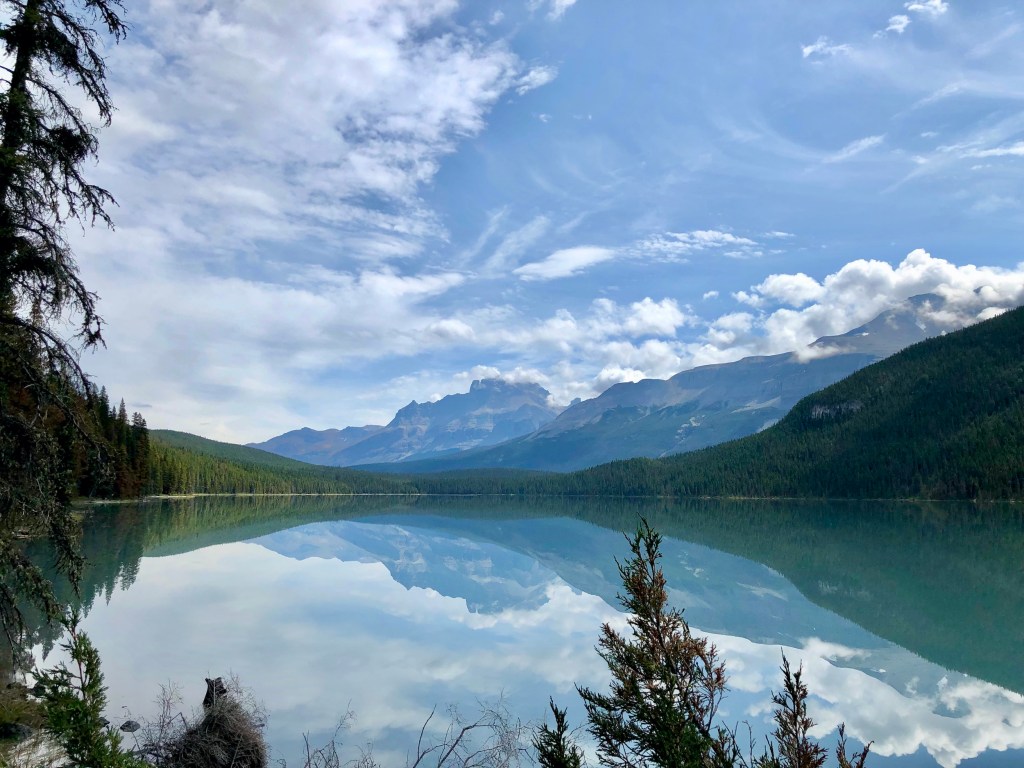
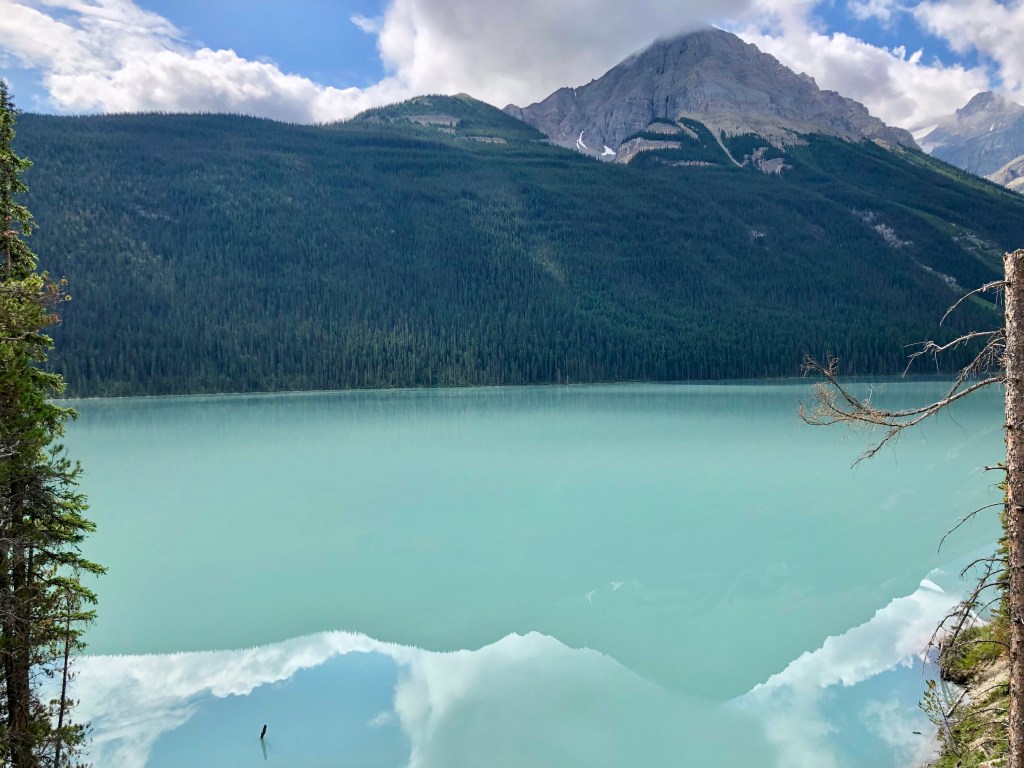
Features: Glacier Lake Trail is an ideal backcountry route for beginners and a rewarding early-season destination. As you make your way toward the fourth-largest lake in Banff National Park, you’re treated to classic Rocky Mountain scenery the entire way. The turquoise waters of Glacier Lake are mesmerizing, with the Southeast Lyell Glacier rising dramatically above the lake’s southern end. Stunning!
Update: Glacier Lake Campground reservations open on Monday, January 26, 2026, at 8am MT.
Finding the Glacier Lake Trailhead

You shouldn’t have any trouble finding Glacier Lake. From Lake Louise, head north on the Icefields Parkway (Hwy 93) for about 75 km to Saskatchewan River Crossing. Continue north for roughly one kilometre after the parkway meets the David Thompson Highway, then turn left into the Glacier Lake parking area. From Calgary, the drive is about 260 km and takes roughly three hours. The signed trailhead is located near the south end of the parking lot.
Read next: Devil’s Thumb Hike at Lake Louise, Alberta

Glacier Lake Hike — Banff Backcountry for Beginners

Are you planning to ease into backcountry camping? Glacier Lake Campground makes an excellent early-season destination. Prepare to hike about 9 km one way with 230-metre elevation change — perfect for beginner and intermediate backpackers. However, two days wasn’t quite long enough to fully explore the area, so consider three days for more flexibility. It’s also possible to complete Glacier Lake as a longer day hike instead of an overnight trip.
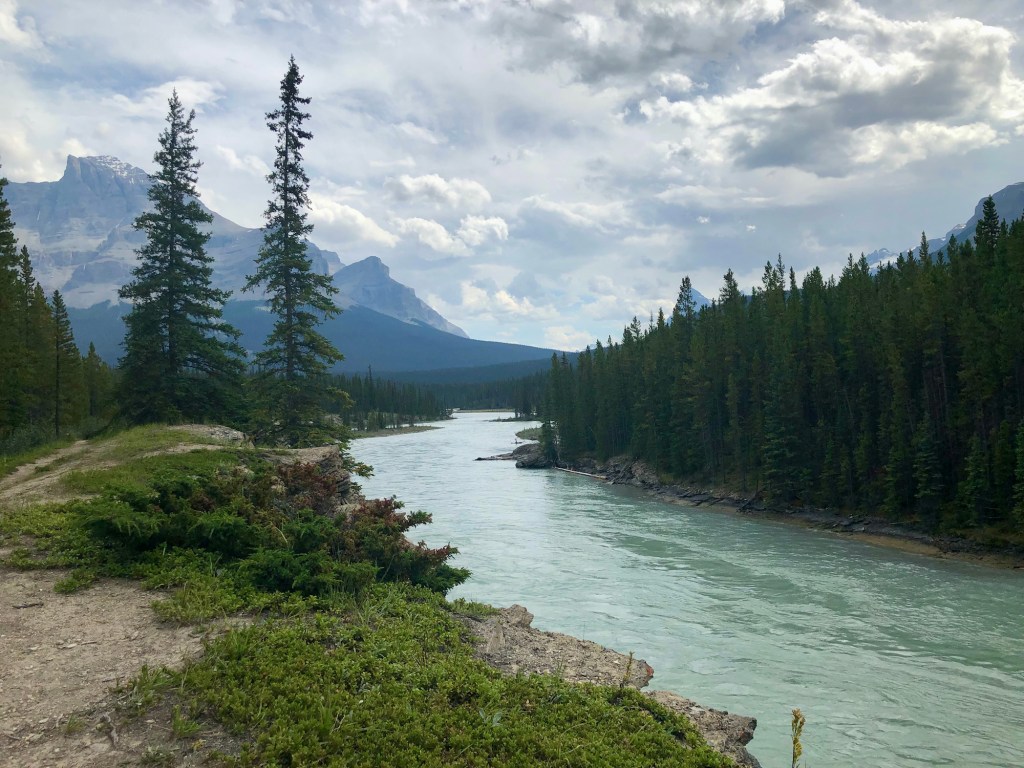
You’ll find that Glacier Lake Trail pretty easy to follow. Beginning in pine forest, the moderate trail opens up after a kilometre, where you’ll cross the bridge over the North Saskatchewan River. Then continue another km to the Howse River viewpoint. Take a few minutes to soak in the view from Parks Canada’s iconic red chairs. Afterwards, head west (right) down the Howse River bank. Continue to hike in view of the river before darting back into the forest.
Most of Glacier Lake Trail is through the forest, without any noteworthy views. But in the shoulder season, you could have the trail all to yourself. Though you might have plenty of mosquito friends (don’t forget the bug spray). And the promise of Glacier Lake will keep you going. Though I recall the return trip being more difficult, with a steep climb after leaving the campground. But that could’ve had more to do with getting used to a heavy backpack.


Know Before You Go — Camping in Banff National Park

Glacier Lake Backcountry is a hidden gem campground in Banff, with five tent sites and plenty of trees for a hammock. The campground is also equipped with an outhouse, bear cache, picnic tables, and a communal fire pit. Plus an old historic cabin as a point of interest. The lake itself is 4.5 km long and 1 km wide.
Booking: Advanced reservations are required through the Parks Canada reservation system. Select Glacier Lake campground (GL9) and choose “Glacier Lake Trailhead” as the access point. Reservation fee is $11.50 and backcountry camping fee is $10.50—a total of $22 per night (subject to change).
Park Pass: Along with overnight camping fees, a park entry pass is required to visit Banff National Park. You can either purchase a day pass or the Parks Canada Discovery Pass.
Toilet: Outhouse is available at the campground. Where there’s no outhouse, dig a hole 70 metres from the trail, water sources, and campground. Pack out toilet paper and hygiene products.
Fire: Campfires are permitted in the fire ring. Only burn dead fallen wood. Campers should carry a stove and be prepared to make meals without a campfire.
Food: Store all food and scented products (toothpaste, etc) at the bear cache. Bring a dry bag to protect from the elements. Further, cook and eat meals away from your tent.
Wildlife: Banff is bear country. Carry bear spray and know how to use it.
Note: Glacier Lake Campground is popular in the early and peak seasons. Book in advance to avoid missing out on backcountry bliss.

Backcountry Etiquette — Banff National Park Camping

Here are a few more backcountry etiquette tips:
Stay on the trail: Hike on designated trails and avoid shortcuts. Minimizing impact on the environment will help keep trails accessible for future outdoor recreation.
Camping: Camp on designated tent pads or sites to reduce your impact on the environment. Glacier Lake doesn’t have tent pads or platforms, but there are five designated sites. When backcountry camping, use tent pads when they’re available or choose a durable surface. Further, camp at least 70 metres from lakes, rivers, and streams.
Grey water: Don’t put any food waste or grey water in the lake. Grey water (i.e. dish water) contaminates freshwater sources and can impact wildlife and natural ecosystems. Instead, collect water for dishes and then dig a small hole in the forest. When you’re done washing, strain the grey water in the hole and cover it up. Then pack out any remaining food waste. Never dump grey water or leftover food waste in the pit latrines.
Pack it in, pack it out: Leave nothing behind in the campground. Pack out all garbage, food scraps, pet waste, and any personal belongings. Become familiar with Leave No Trace principles to help make your backcountry experience eco-friendly.
Read next: Jasper Skyline Trail: 3 Days of Hiking in the Rockies

What To Bring — Camping in Banff National Park
If you’re new to backcountry camping, it can be hard to know what to bring. You’re going to want supportive hiking footwear and a comfortable hiking pack. A fully-loaded backpack should not weigh more than 20 percent of your body weight.
Here’s what I brought along:
- Pack
- Tent
- Sleeping bag
- Sleeping pad
- Sleeping bag liner
- Hammock
- Siltarp
- Hiking boots
- Rain shell
- Rain pants
- Jetboil camp stove
- Pots
- Campsuds soap
- 2L water reservoir
- Water bottle
- Trekking poles
- Lighter / matches
- Thermos
- Spoon
- Sunscreen
- Bug spray
- Toilet paper
- Towel
- Toothbrush / toothpaste
- Water filter
- Headlamp
- Knife
- First aid kit
- 1 merino t-shirt
- 1 long sleeve shirt
- 1 pair of pants
- 1 pair of shorts
- 2 pairs of merino underwear
- 1 pairs of merino socks
- Down jacket
- Fleece sweater
- Warm hat / gloves
- Map / compass
- Zoleo satellite comms
- Powerbank
- Parks Canada pass
- Copy of reservation
- Meals / snacks
- Bear spray

Have you hiked to Glacier Lake in Banff National Park? What was your experience like? Drop a comment below!
Save this for later? Hover over the image to add to Pinterest 👇

In 2021-2022, Thomas participated in the 11-month Ocean Bridge program through Ocean Wise, a global conservation organization on a mission to protect the ocean. As an Ocean Bridge Ambassador, he created a series of blog posts for outdoor enthusiasts to share information and spark motivation for ocean and freshwater conservation.

Thomas Coldwell has always been fond of the outdoors. He loves hiking, paddling, and camping, and thoroughly enjoys creating outdoor adventure resources for people like you. Originally from Nova Scotia, Thomas has lived in four Canadian provinces (NS, NB, ON, AB) and has travelled in 20 countries and counting.