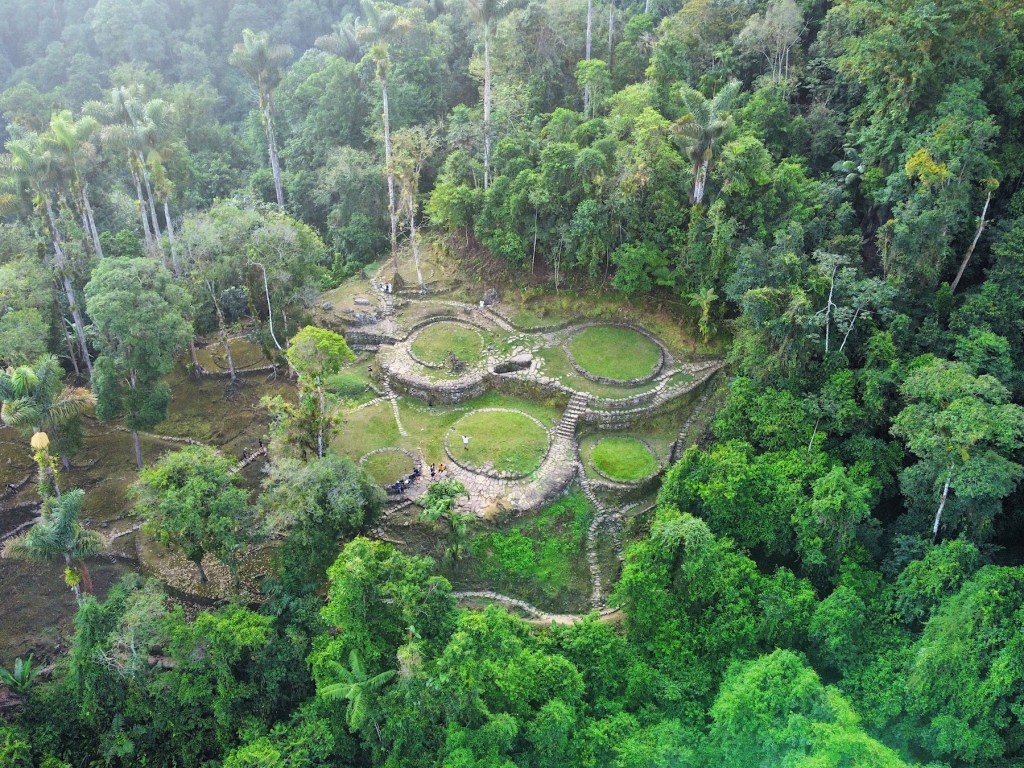
The Lost City Trek (La Ciudad Perdida) in northern Colombia is one of those adventures that you’ll remember. Deep in the Sierra Nevada mountains, this four-day jungle trek winds past rivers, through Indigenous villages, and up steep stone steps that lead to an ancient city hidden for centuries. It can be hot, muddy, and demanding — but reaching The Lost City is an unforgettable journey!
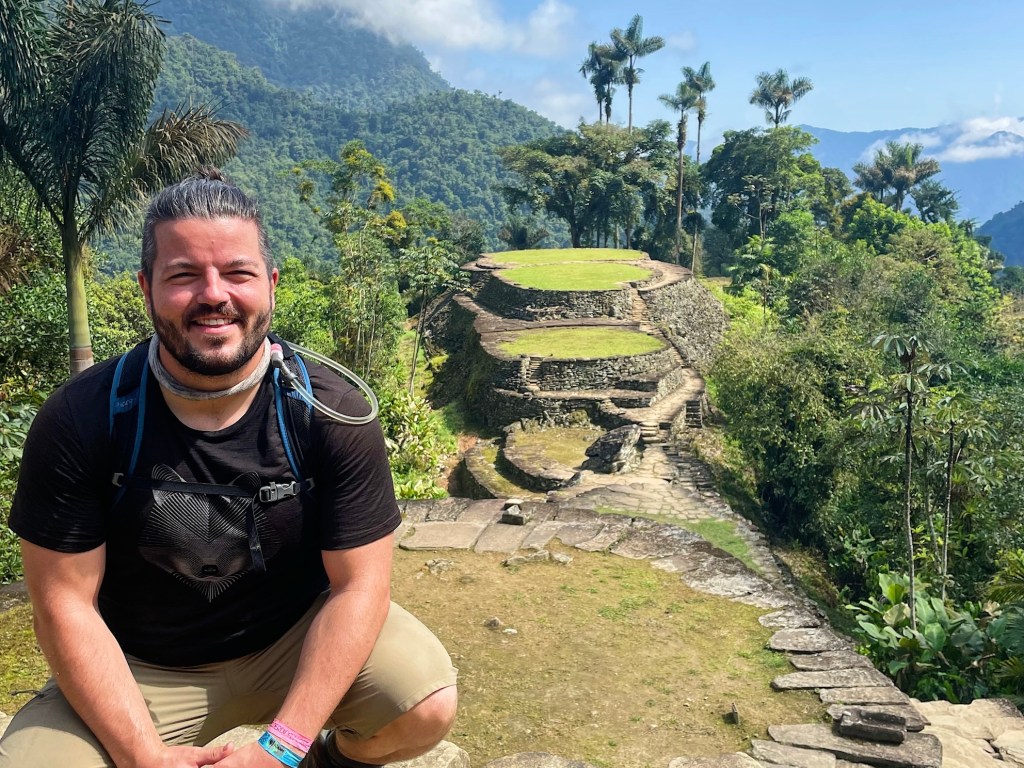
Back in 2023, I spent two months living and travelling in Colombia — my very first trip to the country. After some quick research, I knew the Lost City trek had to be part of my travels. Four days of hiking through the Sierra Nevada mountains sounded like the kind of adventure I couldn’t pass up. By the end, it wasn’t just a highlight of my Colombia travels, it became one of the most memorable adventures of my life. Keep reading to see what I mean.
This post includes affiliate links. If you make a purchase through one of the links, I may receive a percentage of the sale at no extra cost to you. Thanks for your support!
Lost City Trek Map
About the Lost City Trek (La Ciudad Perdida)
Location: Sierra Nevada de Santa Marta, Northern Colombia
Distance: 65 km out and back
Difficulty: Moderate to challenging (hot, humid, and steep climbs)
Time: 4 days / 3 nights
Campsites: Camp Adam, Camp Lorenzo, Camp Mumake, with basic bunk beds, mosquito nets, and toilets.
Season: Best from December to March (dry season); April–November tends to be rainier and trails can be muddy and rivers higher.
Reservation: Mandatory with a licensed tour operator (like Turcol, Wiwa Tours, Expotur)
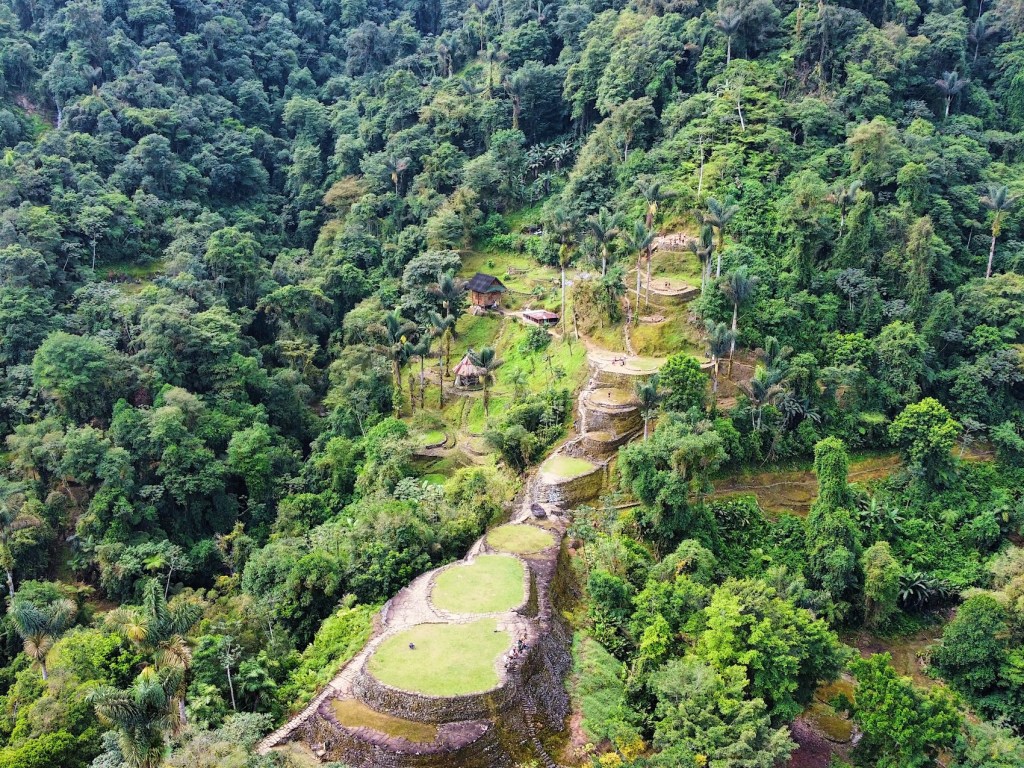
Features: The Lost City trekking includes over 1,200 ancient stone steps, multiple river crossings, visiting Indigenous villages, waterfalls and pools for swimming, and the impressive terraces of La Ciudad Perdida, a site said to be older than Machu Picchu.
Is the Lost City Trek Worth It?
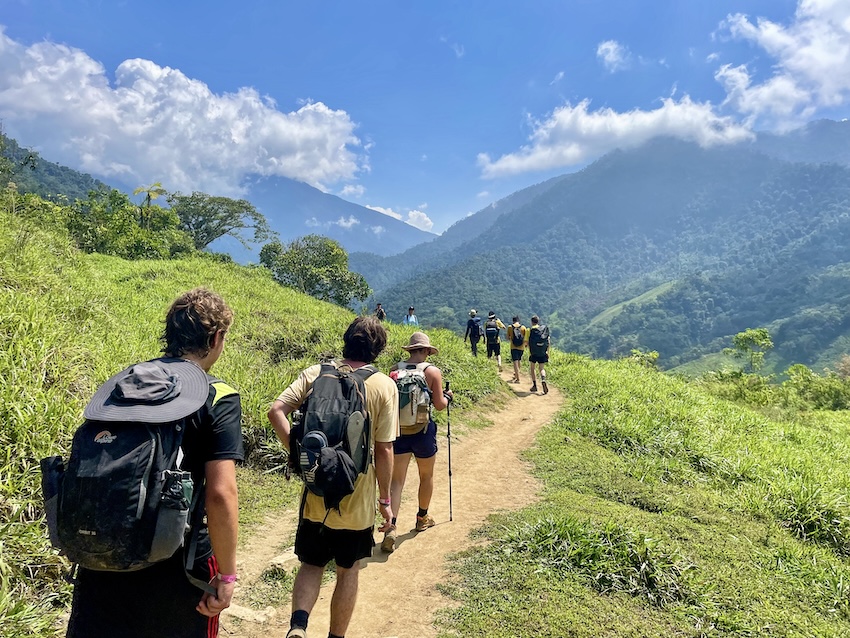
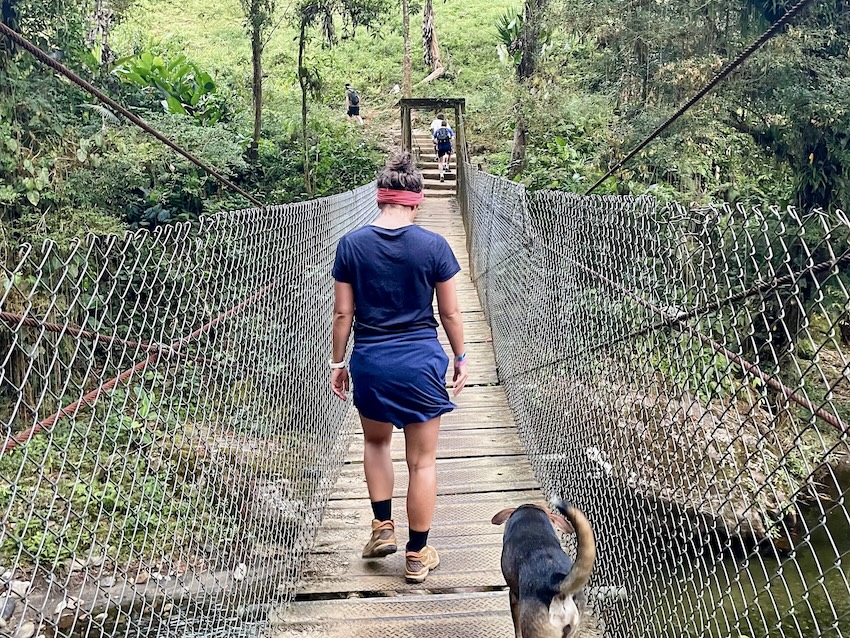
Absolutely, the Lost City Trek in Colombia is worth it! It’s not the easiest hike, but reaching the ancient city is unforgettable. Along the way, you’ll cross rivers, swim under waterfalls, and meet Indigenous leaders who still live in the Sierra Nevada. The combination of adventure, history, and culture makes this one of the most rewarding hikes in South America.
Read next: Cerro de las Tres Cruces: Best Hiking in Medellín, Colombia

Is the Lost City Trek Right for You?
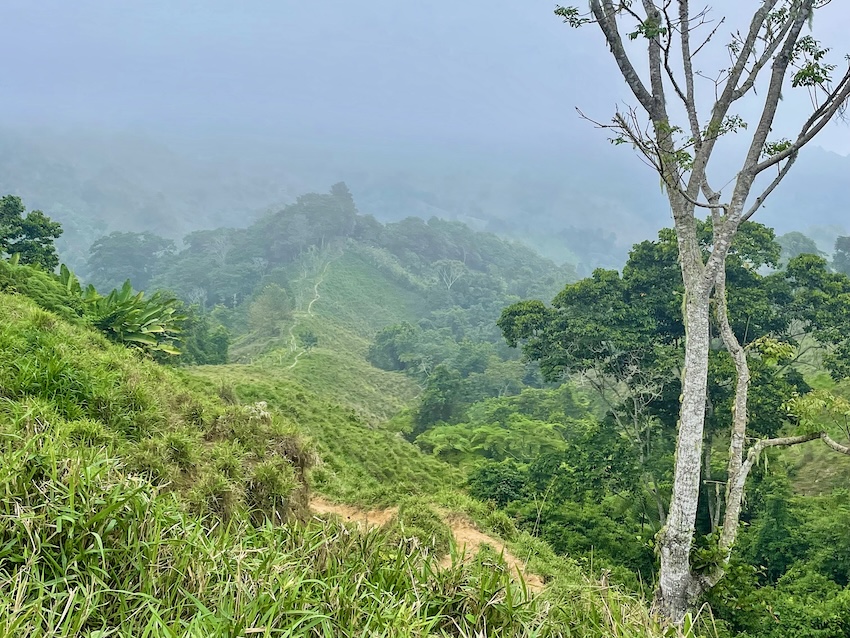
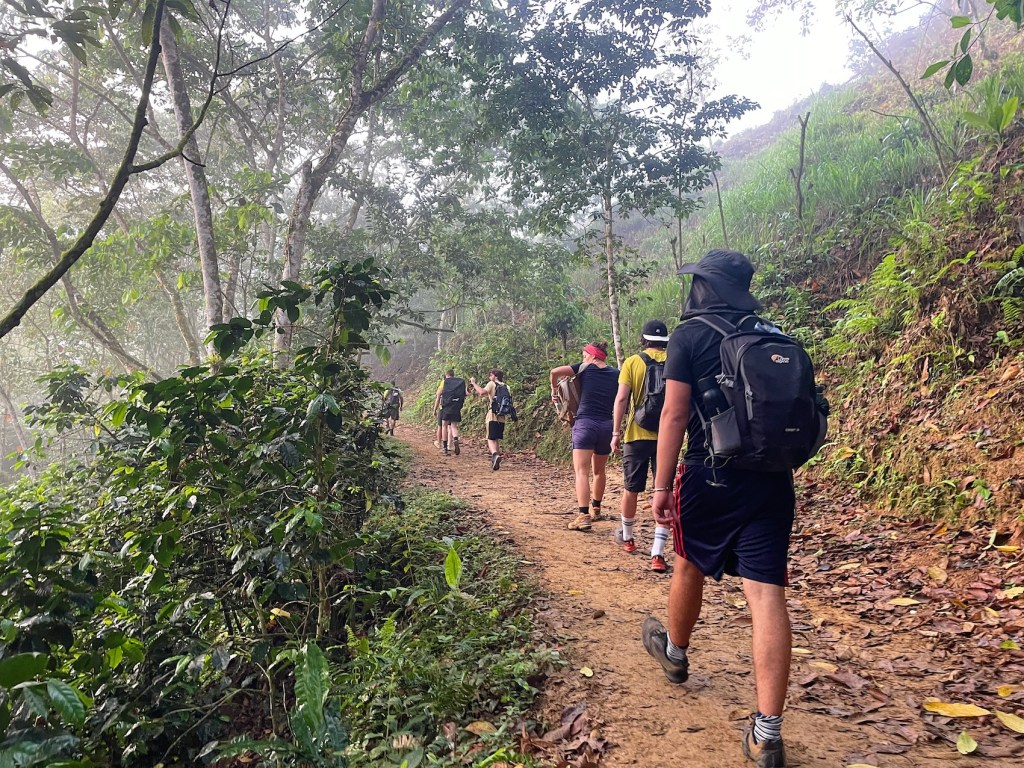
If you can hike 15–20 km a day in hot, humid conditions with steep climbs and river crossings, you can do the Lost City Trek. You don’t need to be an athlete, but hikers should have a reasonable fitness level, solid footwear, and a positive attitude. With some preparation and a sense of humour, this demanding trek is very doable!
Lost City Trek FAQ
Q. How long is the Lost City Trek?
A. It’s a multi-day out-and-back trek, typically completed in four days (with an option for five). Expect long days of hiking with river crossings and steep climbs.
Q. How difficult is the Lost City trekking?
A. It’s considered moderate to challenging. While the trail isn’t technical, the long distances, steep climbs, and humid jungle conditions make it demanding.
Q. Do you need a guide for the Lost City Trek?
A. Yes — The Lost City is only accessible with a licensed tour operator. Guides not only keep you safe on the trail, but also share the history and Indigenous significance of La Ciudad Perdida.
Q. How much does the trek cost?
A. The tour price is typically between $350–450 USD per person, depending on the operator. This includes meals, camps (with spotty wi-fi), guides, transportation, and the entrance fee. Extras are drinks, snacks, and tips.
Q. What’s the best time of year to go?
A. The dry season (December to March) is the most popular, with less rain and easier river crossings. The rainy season (April–November) tends to be much hotter, muddier, and can mean swollen rivers. I had a great time hiking in April — not even a drop of rain!
Q. What do you eat and where do you sleep?
A. You can expect simple and tasty Colombian meals, including rice, beans, chicken, plantains, fruit. The camp sites offer bunk beds with mosquito nets. Showers are cold but refreshing after a hot day, or you can find waterfalls and swimming pools near the camp.
Q. How many steps to the Lost City?
A. There are about 1,200 stone steps leading up to La Ciudad Perdida. It’s a steep but rewarding climb early on day three.
Q. Is it safe to do the Lost City Trek?
A. Yes, it’s considered safe for travellers. The route is secured, and only licensed companies operate tours. That said, you should travel with a reputable operator. I had a very positive experience with Turcol.
Q. Can you do the trek without a tour?
A. No. Independent trekking is not allowed. You must book through a licensed company like Turcol, Wiwa Tours, or Expotur.
Q. Do you need to book in advance?
A. Yes, it’s a good idea to book at least a few weeks in advance, especially if you’re date aren’t flexible.
History of the Lost City Trek

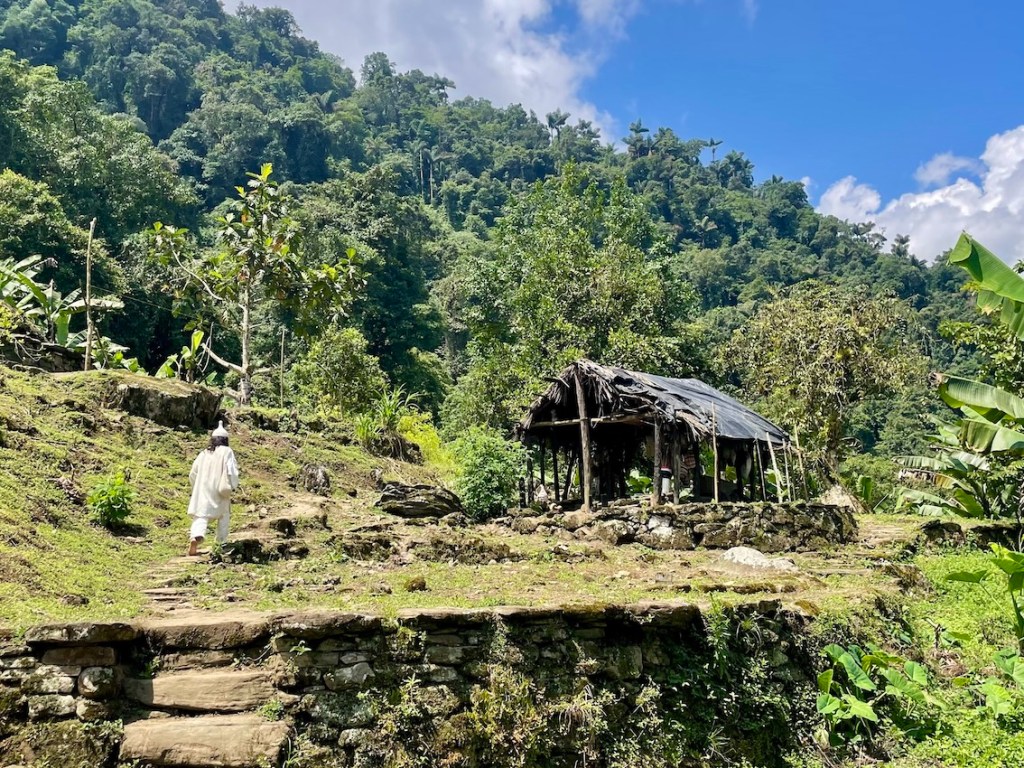
The Lost City, or Teyuna, was built by the Tairona civilization around 800 CE, making it centuries older than Machu Picchu. This impressive network of terraces, plazas, and sairs was once home to thousands of people and served as a political and spiritual hub. After the Spanish conquest, it was abandoned and hidden under jungle. La Ciudad Perdida was only rediscovered by treasure hunters in the 1970s.
Today, The Lost City remains sacred to the Kogi, Wiwa, Arhuaco, and Kankuamo, descendants of the Tairona. Meeting Indigenous leaders along the trek provides travellers with a glimpse into their living culture and local knowledge, making the experience much deeper than just a jungle hike.
Read next: Cerro Tusa Hike in Colombia: World’s Largest Natural Pyramid
Responsible Travel on the Lost City Trek
The Lost City Trek isn’t just an adventure — it’s a journey through the ancestral lands of local Indigenous communities. Please, practice responsible travel and help protect both the environment and the local culture. Bring a reusable water bottle and refill instead of buying plastic, use biodegradable soap, and pack out all your trash. Dress modestly to demonstrate respect when passing through villages, ask before taking photos, and support communities through licensed operators instead of giving handouts. By hiking thoughtfully, you help ensure that The Lost City remains protected now and into the future.

Where Is the Lost City Trek Located?
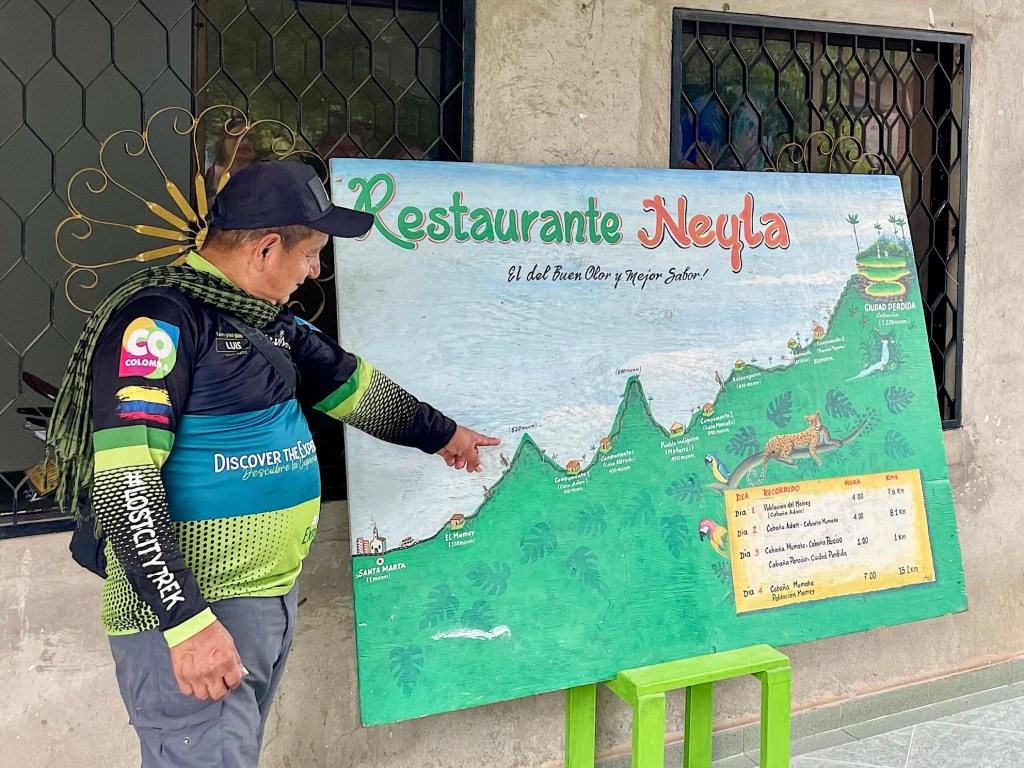
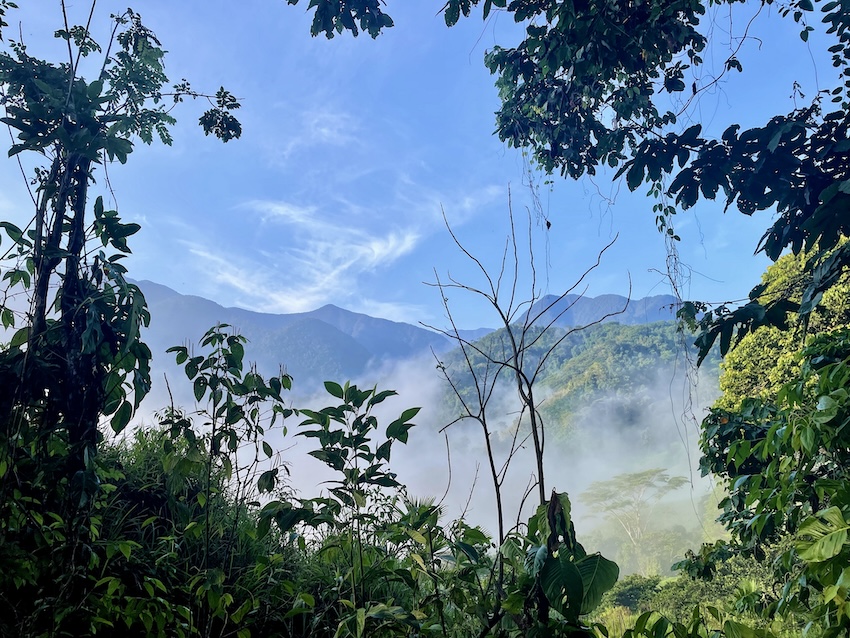
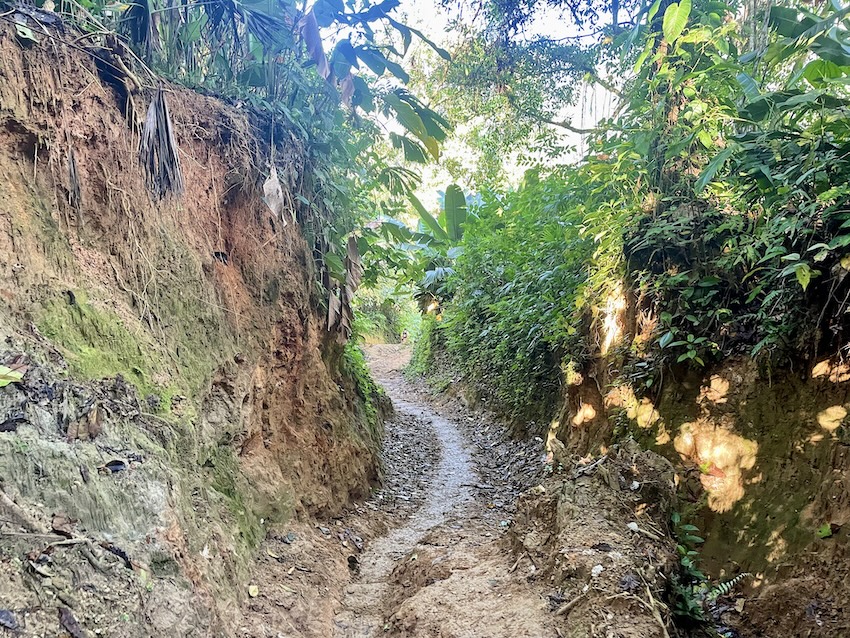
The Lost City Trek takes place in the Sierra Nevada de Santa Marta mountains in northern Colombia, about 45 km inland from the Caribbean coast. The trail begins in the small village of El Mamey, a few hours’ drive from Santa Marta. You’ll hike deep into the jungle before reaching the ancient terraces of The Lost City. This remote mountain range is often called the “Heart of the World” by local Indigenous communities — and once you’re hiking through its rivers and rainforests, it’s easy to see why.
Read next: Cahuita National Park Hike in Costa Rica
How To Get To The Lost City Trek (from Medellín)
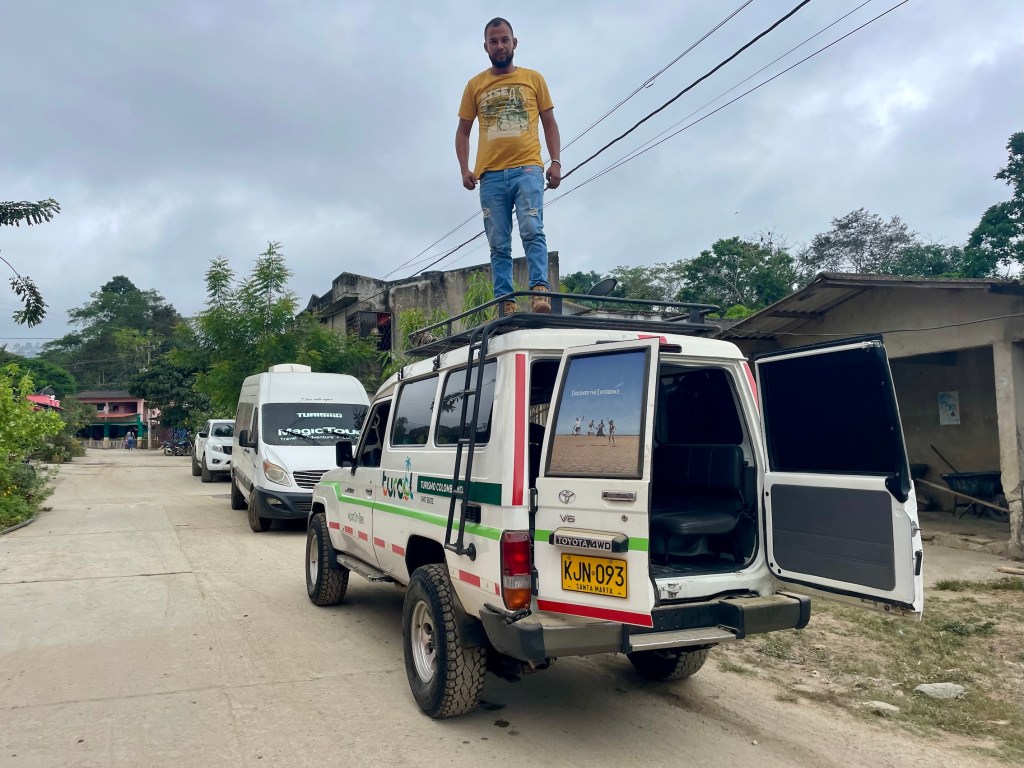
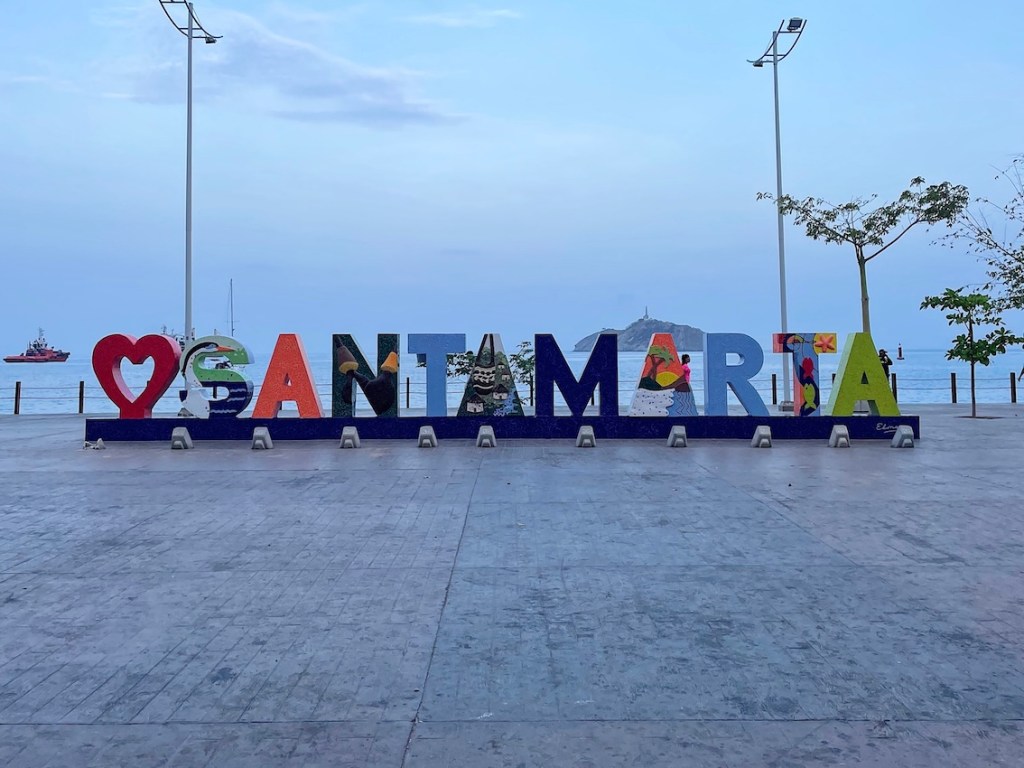
The Lost City Trek starts from Santa Marta on Colombia’s Caribbean coast, so you’ll first need to get there. If you’re starting in Medellín, the easiest option is to fly from Medellín to Santa Marta (about 1.5 hours), with daily direct flights on airlines like Avianca, LATAM, and Viva Air. From Santa Marta, your tour operator will arrange transport, which for us was a jeep ride of 2–3 hours to the small village of El Mamey. There are several places to stay in Santa Marta the night before the hike begins.
Where To Stay in Santa Marta (Before & After Your Trek)

Before starting the Lost City trek, I recommend spending at least one night in Santa Marta to rest, organize gear, and meet your tour operator. The historic centre is an ideal base, with plenty of restaurants, cafés, and easy access to trek pickup points. I stayed at Masaya Santa Marta, which was a great pre-trek choice — comfortable rooms, a social but relaxed vibe, and staff who are very familiar with Lost City logistics.
Best Time to Hike the Lost City Trek
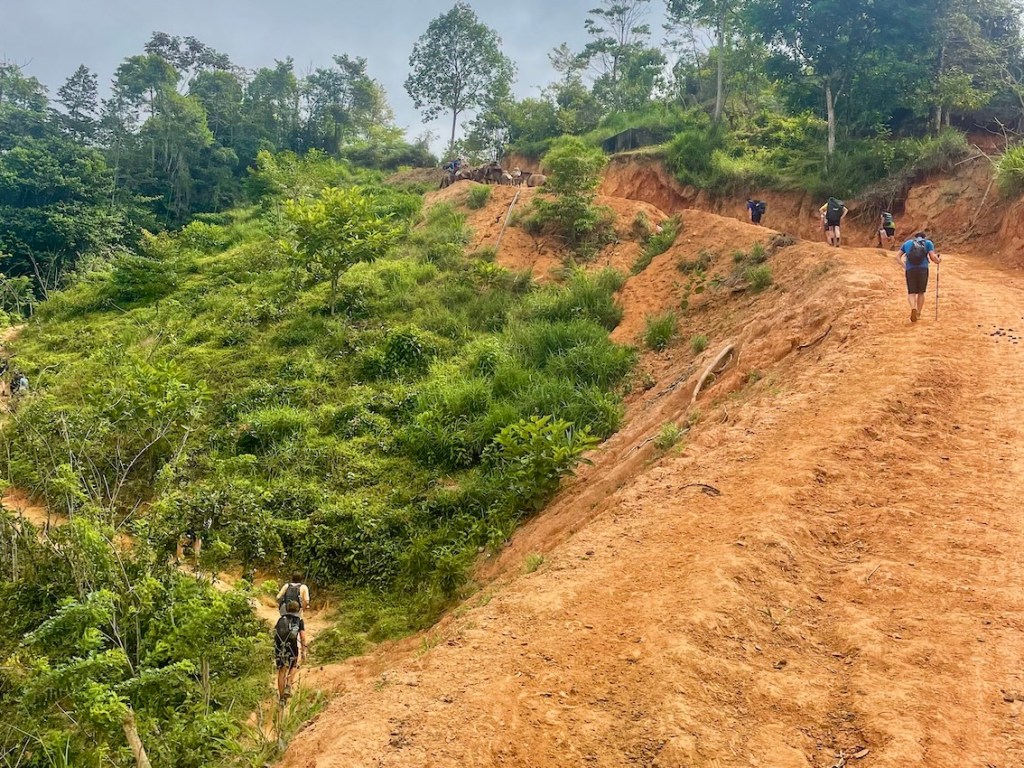
The best time to hike the Lost City is during the dry season (December to March) when trails are less muddy and river crossings are easier. You can trek year-round, but the rainy season (April to November) typically brings heavier downpours and slippery conditions. I hiked in April at the start of the traditional rainy season, but it was very hot and humid, and I didn’t see a drop of rain.
How Much Does the Lost City Trek Cost?
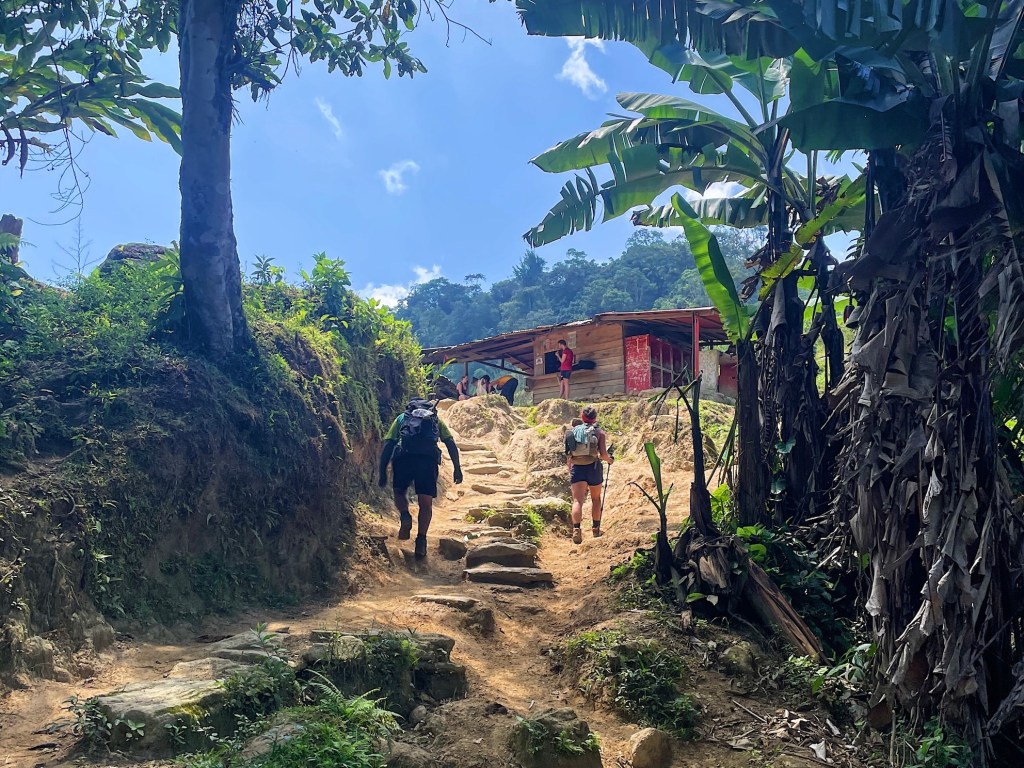
Lost City trekking typically costs between $350–450 USD per person for the 4–5 day trek, depending on the operator. This price usually includes transportation from Santa Marta to the trailhead, all meals, drinking water, accommodation in jungle camps (bunks with mosquito nets), entrance fees, and licensed guides. Extras you’ll want to budget for are snacks, drinks (like cold sodas or beers sold at camps), tips for guides, and optional gear.

Which Lost City Trek Tour Company Should You Choose?

All treks to The Lost City must be done with a licensed operator. I paid about $400 USD with Turcol in April 2023. Everything ran smoothly, and our guide Luis and interpreter Ricardo made the trek both safe and fun. The only extra expenses were tips, snacks, and drinks along the way. Turcol’s office is based in Santa Marta, and you can book directly through their website at http://www.turcol.com or their Instagram @turcol_ciudadperdida.

Tips for a Successful Lost City Trek

Hydrate constantly: The heat and humidity are intense, so bring electrolytes or hydration tabs. I brought Nuun tabs — they work great!
Start early: Most groups leave camp at dawn to beat the heat and reach the next stop before midday, so you won’t be hiking during the hottest part of the day.
Pack light: Extra weight feels heavier in the jungle. You really don’t need to bring a lot, just hiking and sleeping stuff. Don’t overpack.
Embrace the mud: It’s part of the experience. Don’t worry about staying clean. You’ll have the chance to rinse off in fresh water at the end of the day.
Bring a bathing suit: River swims and waterfalls are the best reward after a long hike.
Listen to your guide: They know the trail, the culture, and the safest way forward.
Keep a positive mindset: This trek is as much mental as physical. If you’re having a tough time, you can always hop on a mule. 😉
Lost City Trek Safety
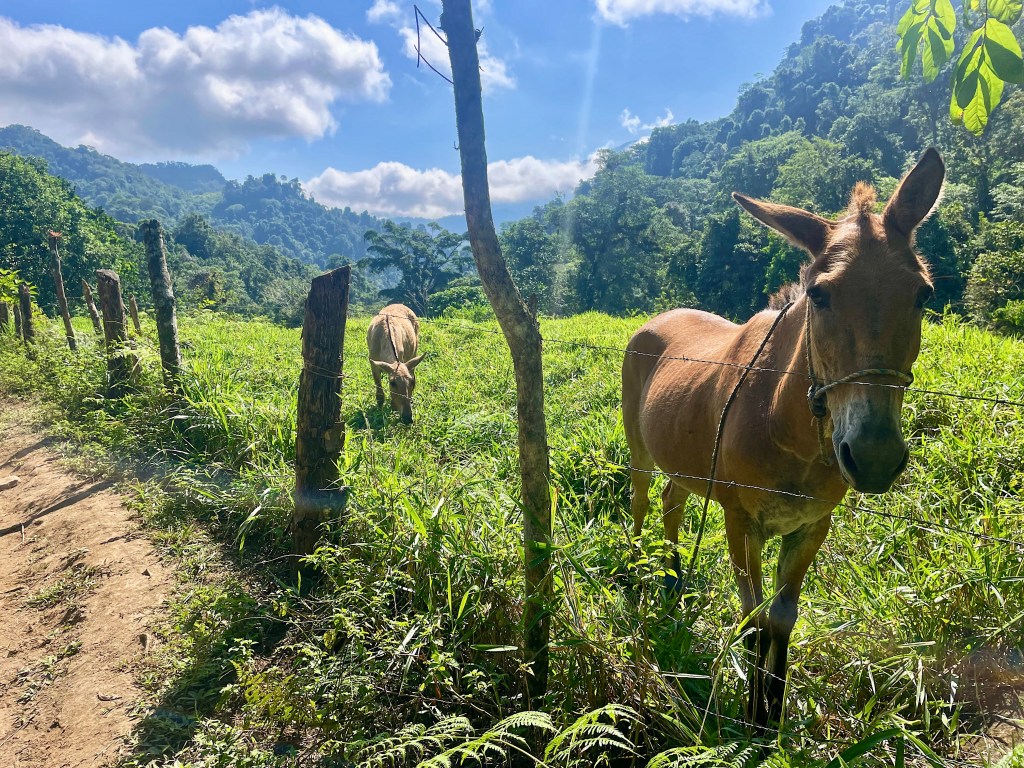
Lost City trekking is considered safe for travellers, and only licensed tour companies are allowed to operate. The biggest safety concerns are natural ones: hot, humid weather, slippery trails, and river crossings after heavy rain. Bring plenty of water, wear good shoes, and take it slow on steep or muddy sections. As always, respect the guidance of your tour leaders. They know the trail inside out and keep groups moving safely.
Lost City Trek Packing List
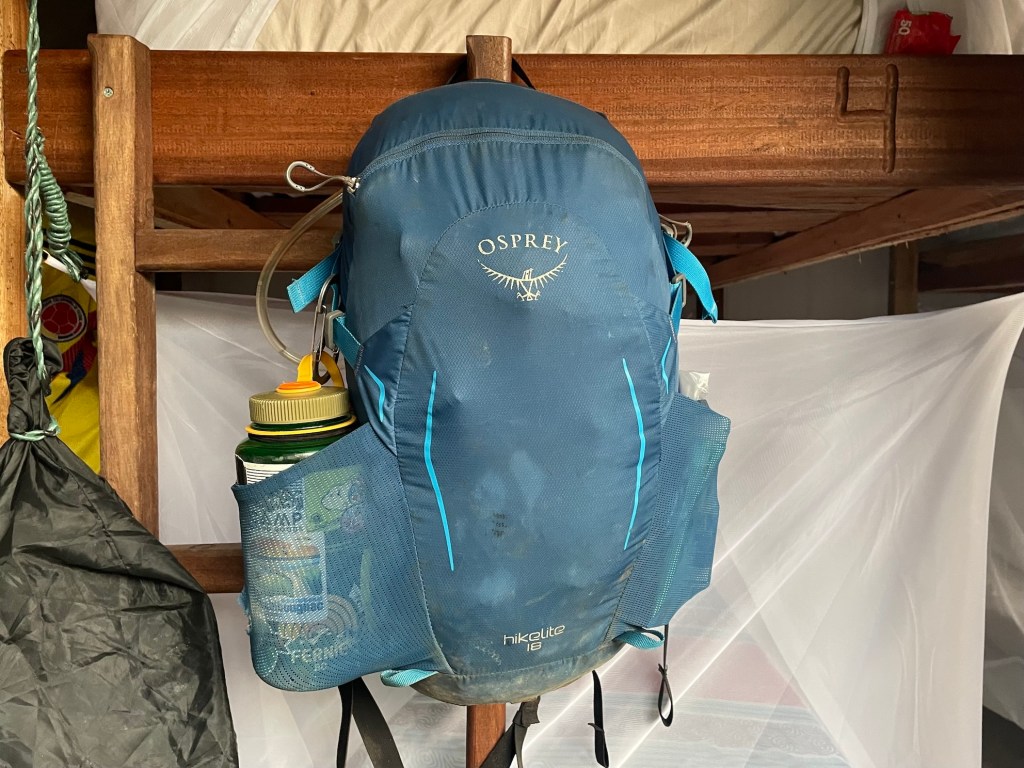
Packing light is key for this trek — you’ll be carrying your own bag every day, and the heat makes everything feel heavier. Here’s what I brought and recommend:
- Daypack: I used my Osprey Hikelite 18, which was the perfect size for clothes, snacks, and essentials.
- Clothing: One set of hiking clothes (quick-dry, lightweight) and one set of camp clothes to change into each night.
- Rain jacket: Even in dry season, it’s worth having a lightweight shell for sudden showers.
- Bathing suit: Essential for swimming at camp rivers and waterfalls — nothing beats a cool dip after hours of hiking.
- Footwear: Comfortable, broken-in hiking shoes or boots (plus light sandals or flip-flops for camp).
- Sun protection: Hat, sunglasses, and sunscreen.
- Bug protection: Insect repellent is a must in the jungle.
- Hydration: Like I said earlier, I suggest bringing Nuun tabs or electrolyte powders (a lifesaver in the heat!),
- Toiletries: Biodegradable soap, toothbrush/toothpaste, toilet paper, and hand sanitizer.
- Sleep gear: Camps provide bunks with mosquito nets, so you don’t need a sleeping bag — but a light sleep liner can make it more comfortable.
- Flashlight: Bring a headlamp for early mornings and camp nights.
- Snacks: While meals are included, a stash of protein bars is great for long days.
- Camera/phone: To capture the views (a waterproof case or dry bag is highly recommended).
Pro tip: Pack everything in a few dry bags or ziplocks — the jungle is humid, and downpours or water crossings can soak your gear.
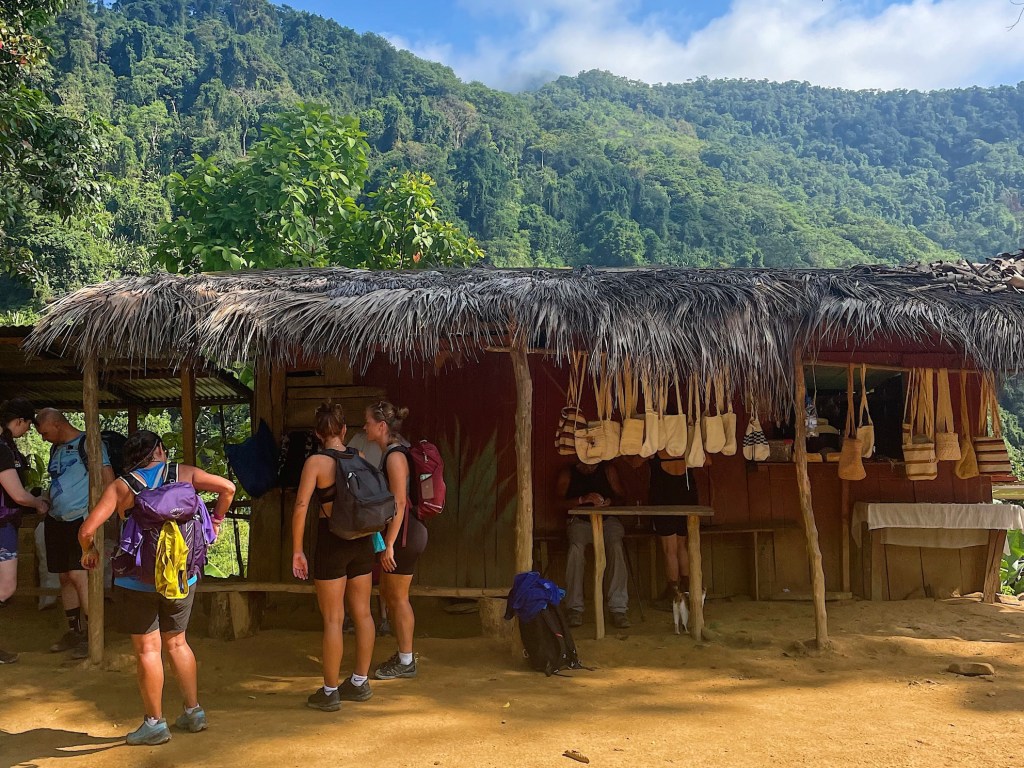
Lost City Trek Rules & Regulations

Because the Lost City is both an archaeological site and a sacred place for Indigenous communities, there are a few important rules to follow:
No independent trekking: You must go with a licensed tour operator.
Respect Indigenous communities: Always ask before taking photos, and follow the guidance of your guide when visiting villages or meeting leaders.
Stay on the trail: Don’t wander off paths or touch artifacts at the site.
No alcohol or drugs: These are prohibited along the trek and at the Lost City itself.
Pack it in, pack it out: Camps have basic facilities, but leave no trace — carry your trash until it can be disposed of properly.
Swimming only in designated spots: Rivers and waterfalls along the trail are safe and encouraged for swimming, but follow your guide’s instructions.
Respect quiet at sacred sites: At Ciudad Perdida, move carefully, listen to your guide, and keep noise to a minimum out of respect for its cultural importance.
4-Day Lost City Trek Itinerary

Day 1: Santa Marta to El Mamey to Camp Adam (9.2 KM)
Distance: 9.2 km | Elevation Gain: 562 m | Time: ~2 hrs 30 min (hiking time)
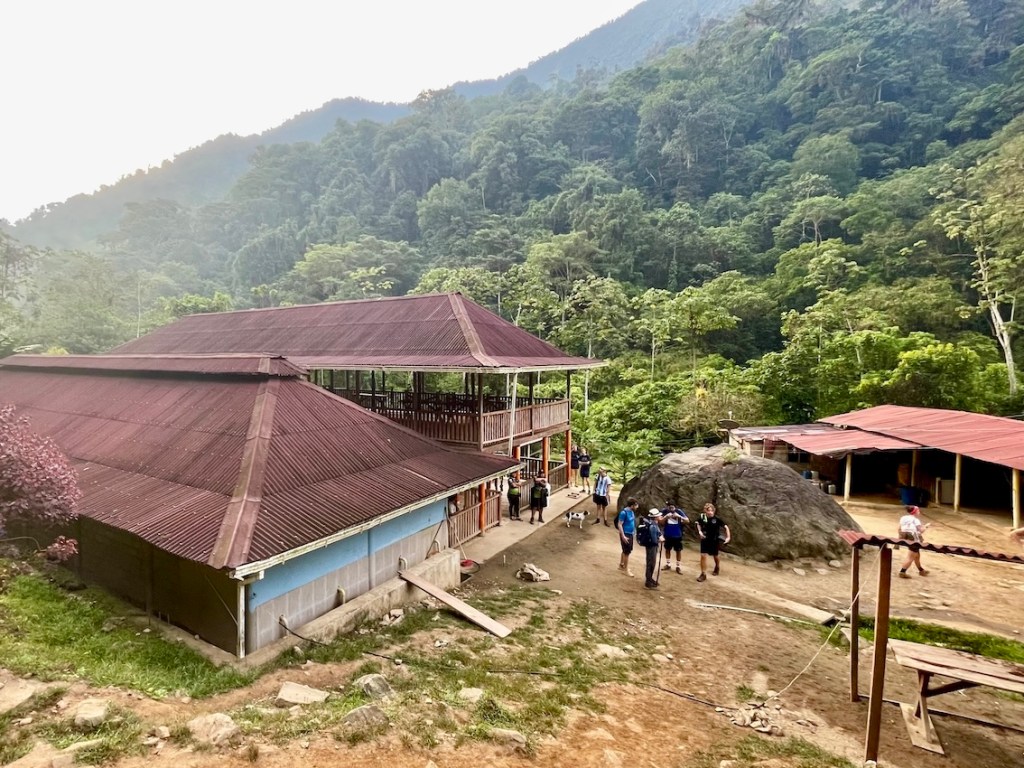
After a jeep ride from Santa Marta to El Mamey (with a hearty lunch before setting out), we hit the trail. The first stretch was a sweaty climb, and by mid-afternoon our group of nine hikers had reached Camp Adam. Dinner came with the steady soundtrack of the rainforest, and our guide Luis and interpreter Ricardo helped set the tone for the trek. Bunks under a tin roof made for a simple but welcome night’s rest
Day 2: Camp Adam to Camp Lorenzo (19.1 KM)
Distance: 19.1 KM | Elevation Gain: 957 m | Time: ~5 hrs (hiking time)
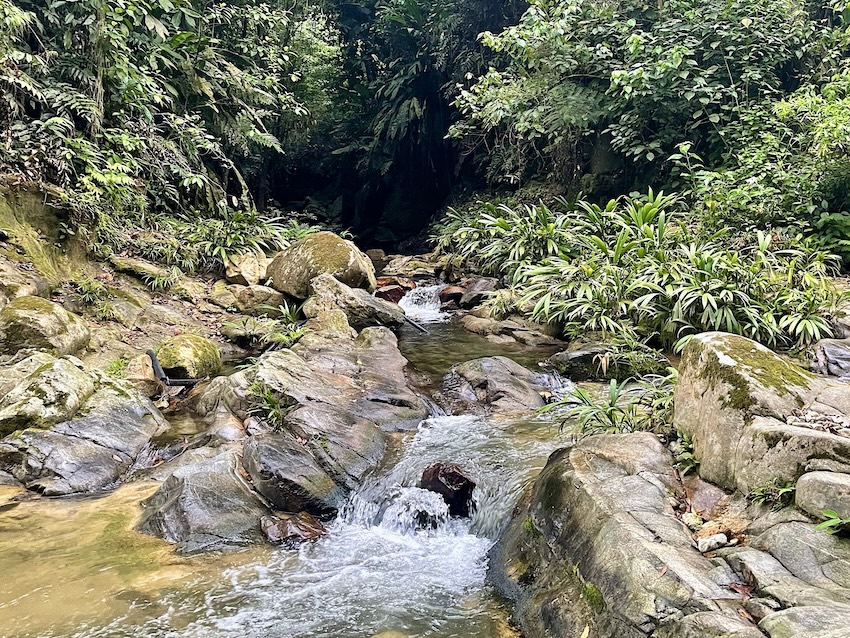
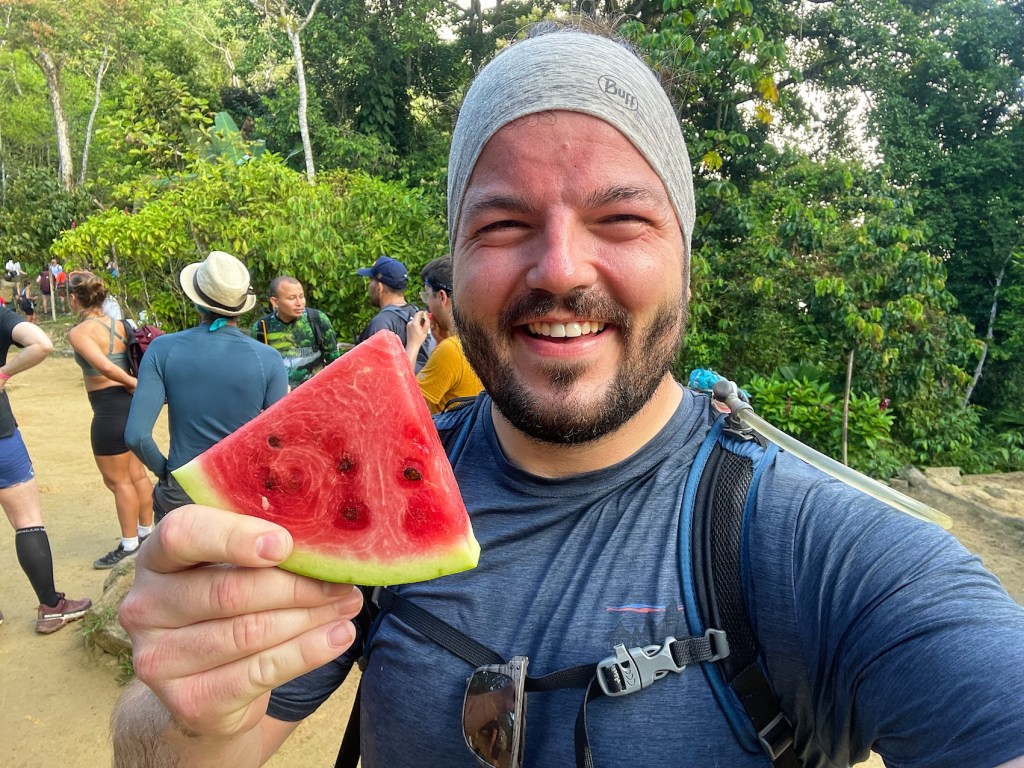
Day two was a big one. We started early with breakfast and were quickly back on the trail by 6:30 am. Along the way, we paused to meet with an Indigenous leader who shared stories about the Sierra Nevada and its people. Rest breaks included juicy slices of watermelon, and lunch at Mumake Camp kept us fueled for the climb ahead. Locals call the hardest afternoon stretch “happy hour” — a hot, steep slog that tested everyone’s stamina. By late afternoon, we arrived at Camp Lorenzo, where the Buritaca River and a towering waterfall waited. Nothing beat jumping off the cliff into the cool pool below after nearly 20 km on the trail — so good!
Day 3: Camp Lorenzo to The Lost City (La Ciudad Perdida) to Mumake (15.5 KM)
Distance: 15.5 KM | Elevation Gain: 605 m | Time: ~3 hrs 45 min (hiking time)
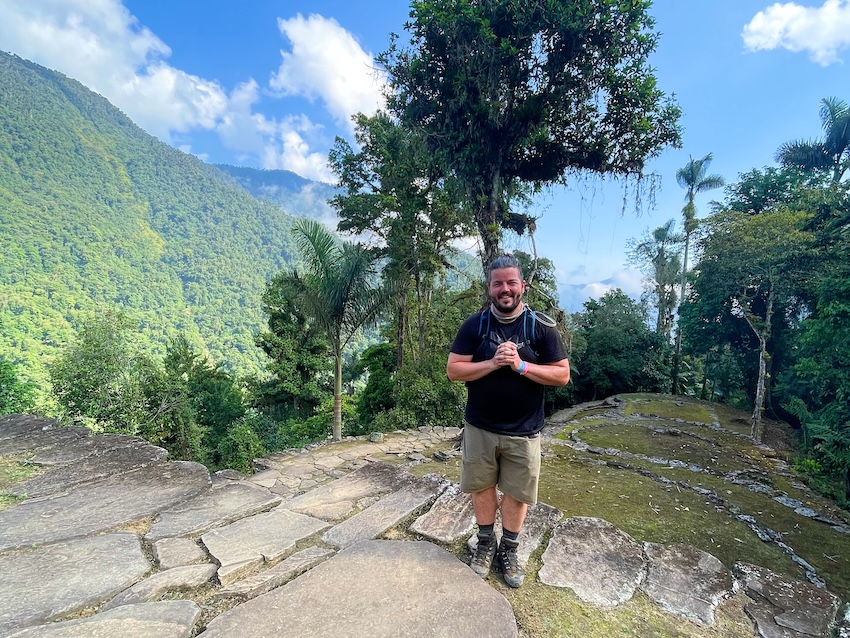
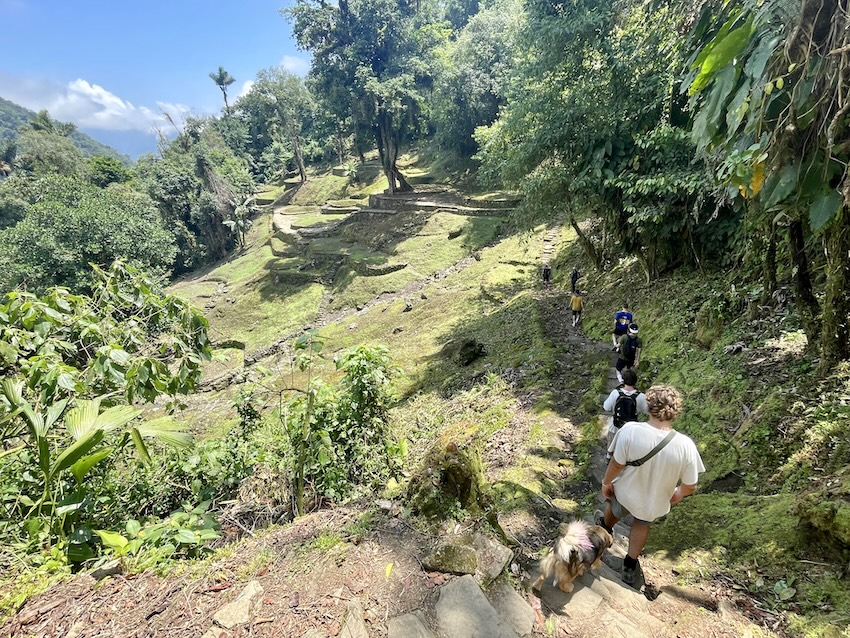
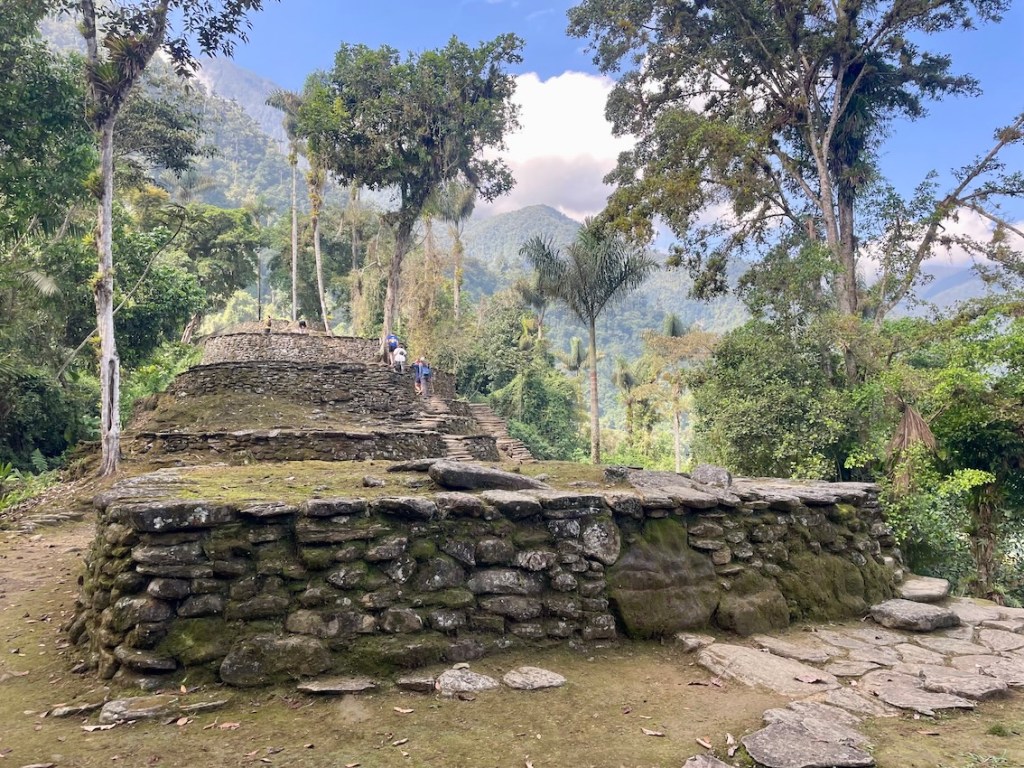
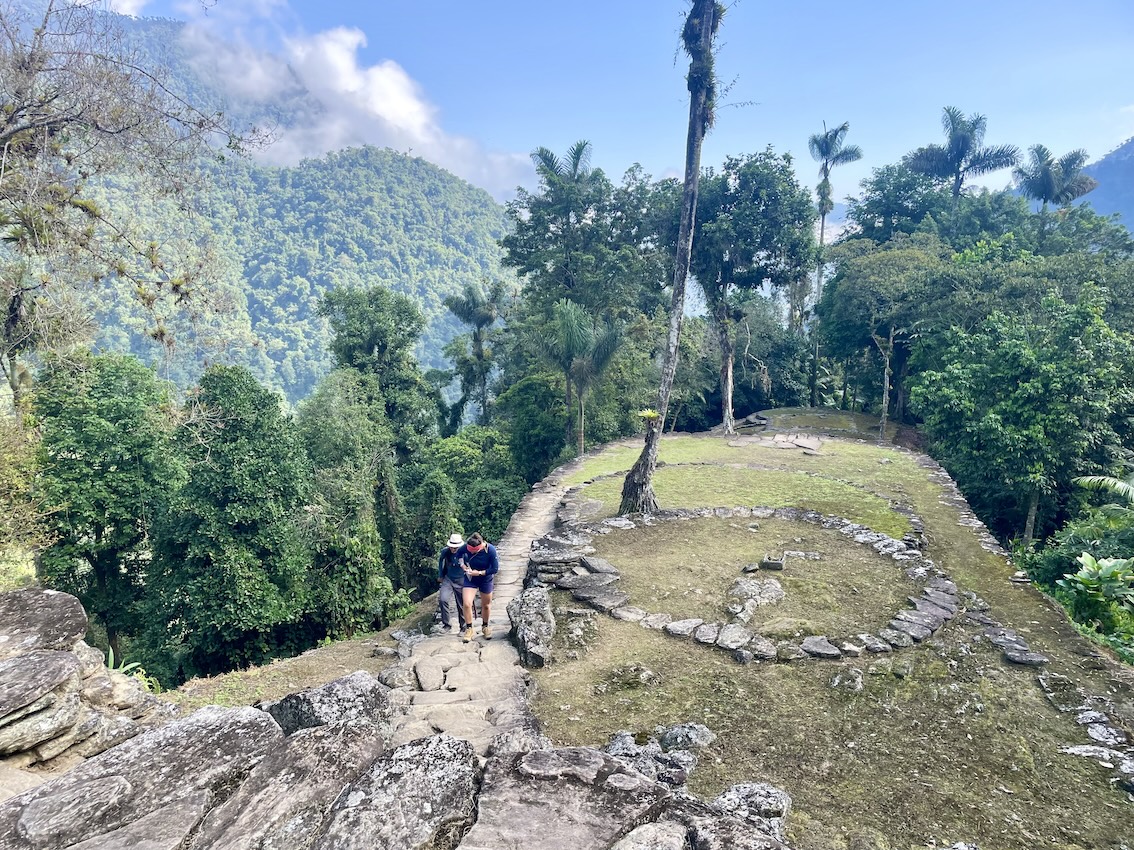
This was the day we’d all been waiting for. Before dawn, we started the steep climb up 1,200 stone steps that led to La Ciudad Perdida. Reaching the terraces of the Lost City was surreal — moss-covered stones and the jungle stretching in every direction. Here we met the Mamo (Indigenous elder) who tied a beaded bracelet on each of our wrists, explaining each bead as “mountain, sky, sun, cloud.” It was a humbling and unforgettable gift. After exploring the ancient site and learning some of its history, we retraced our steps and continued to Mumake Camp for the night. My Strava tracked about 15 km that day — tired legs, but so worth it.
Day 4: Mumake to El Mamey to Santa Marta (21 KM)
Distance: 21 KM | Elevation Gain: 674 m | Time: ~4 hrs 30 min (hiking time)
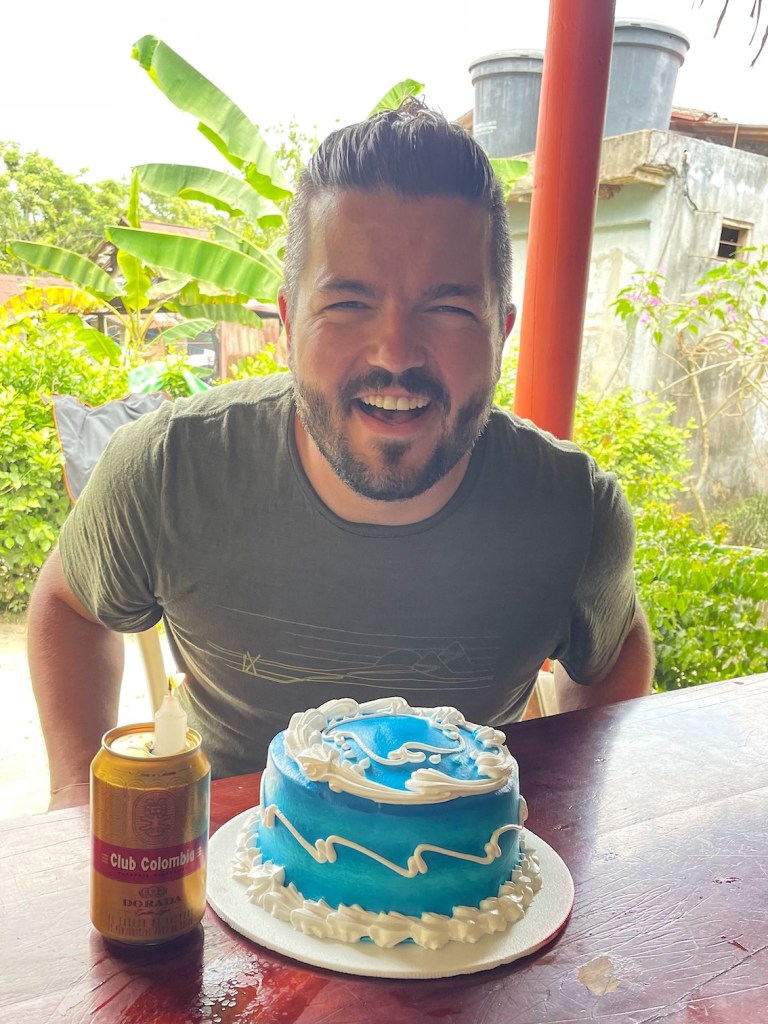
The final day meant an early start once again. Breakfast at 5:30, and back on the trail by 6. With mostly downhill terrain, we made quick progress, pausing briefly at Camp Adam before pushing on to El Mamey. By 11 am, the trek was complete: about 65 km in four days. My feet were thrilled to swap boots for flip-flops, and a cold beer with lunch in El Mamey felt like the perfect celebration. To top it off, my group surprised me with a belated birthday cake. I’d call that a birthday to remember!
Meals & Snacks on the Lost City Trek
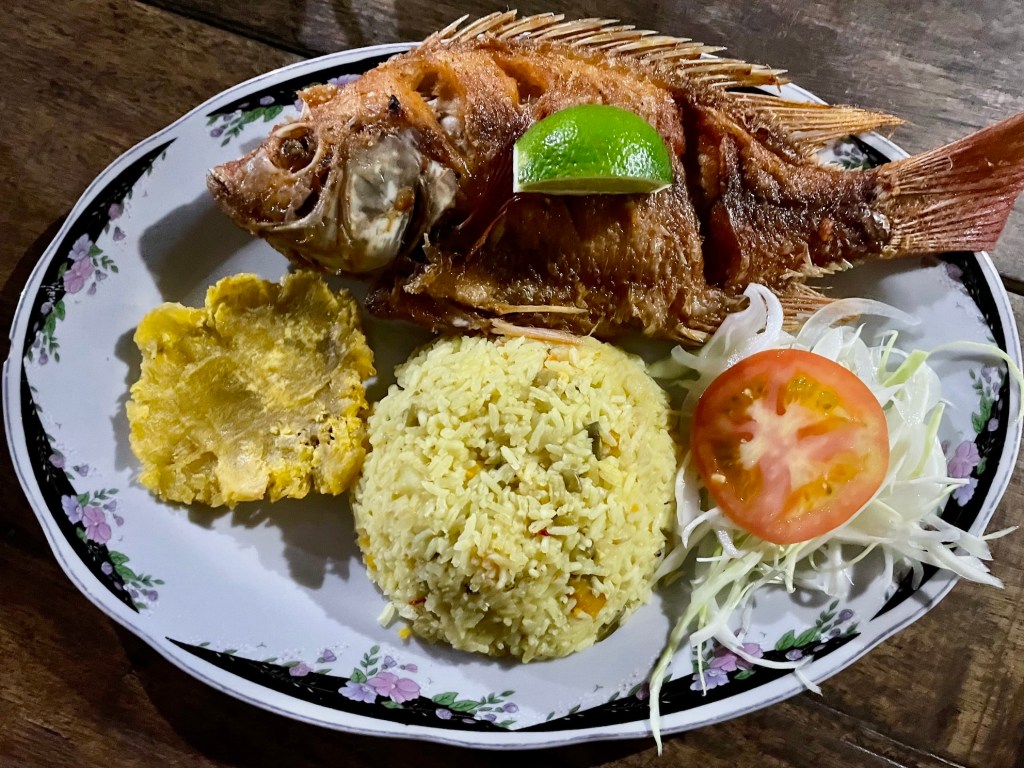
Meals on the Lost City trek are simple but filling, usually a hearty mix of rice, beans, plantains, chicken or fish, and plenty of fresh fruit. Breakfasts often include eggs, bread or arepas, and hot coffee, while lunches and dinners are warm plates served at camp. After a long, sweaty day on the trail, sitting down for a hot meal feels like luxury in the jungle.
Along the way, guides sometimes surprise hikers with fresh watermelon or pineapple breaks, which are absolute lifesavers in the heat. At camps, you can usually buy extras like soda, chocolate bars, or chips for a little treat.
Toilets on the Lost City Trek
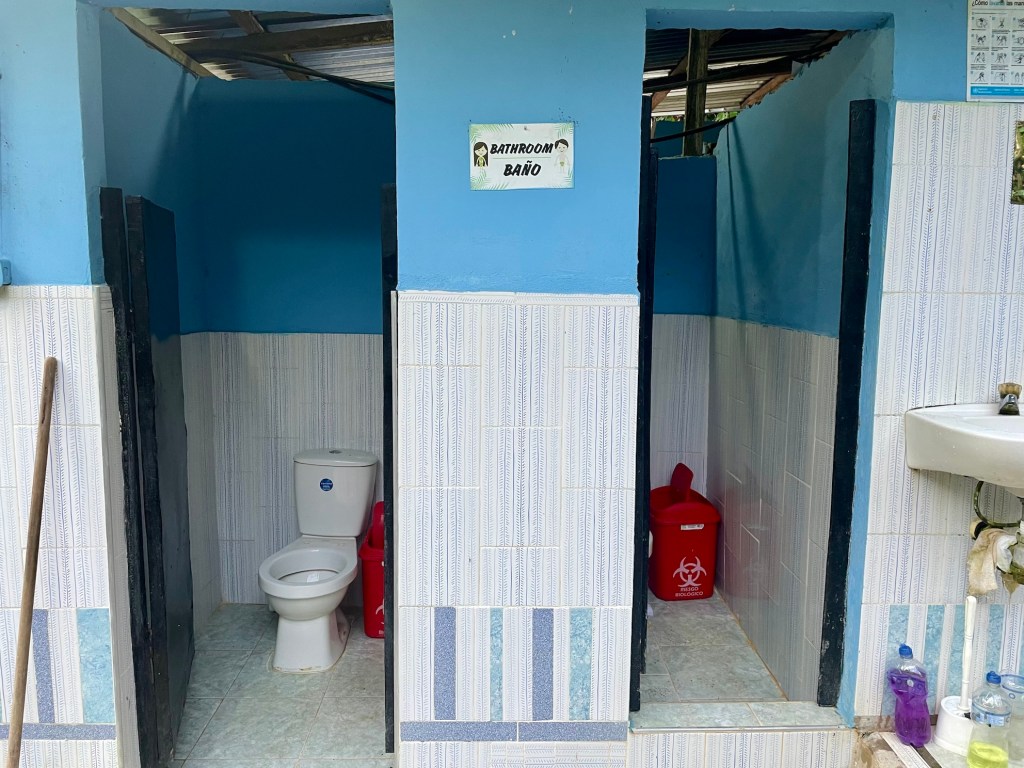
Don’t expect luxury, but the toilets on the Lost City Trek are functional. Each camp has simple bathrooms with flush or pour-flush toilets and cold-water showers. They’re shared, and with groups coming in and out daily, they can get muddy or wet, but they do the job. Bring your own toilet paper (not always provided) and some hand sanitizer to make things easier.

Are you planning to hike to the Lost City in Colombia? Did you find this guide helpful? Is there anything else you’d like to know before your trek? Leave a comment below. I’d love to hear from you!
Save this for later? Hover over the image to add to Pinterest 👇

Thomas Coldwell has always been fond of the outdoors. He loves hiking, paddling, and camping, and thoroughly enjoys creating outdoor adventure resources for people like you. Originally from Nova Scotia, Thomas has lived in four Canadian provinces (NS, NB, ON, AB) and has travelled in 20 countries and counting.